



 +919727444682 08045479166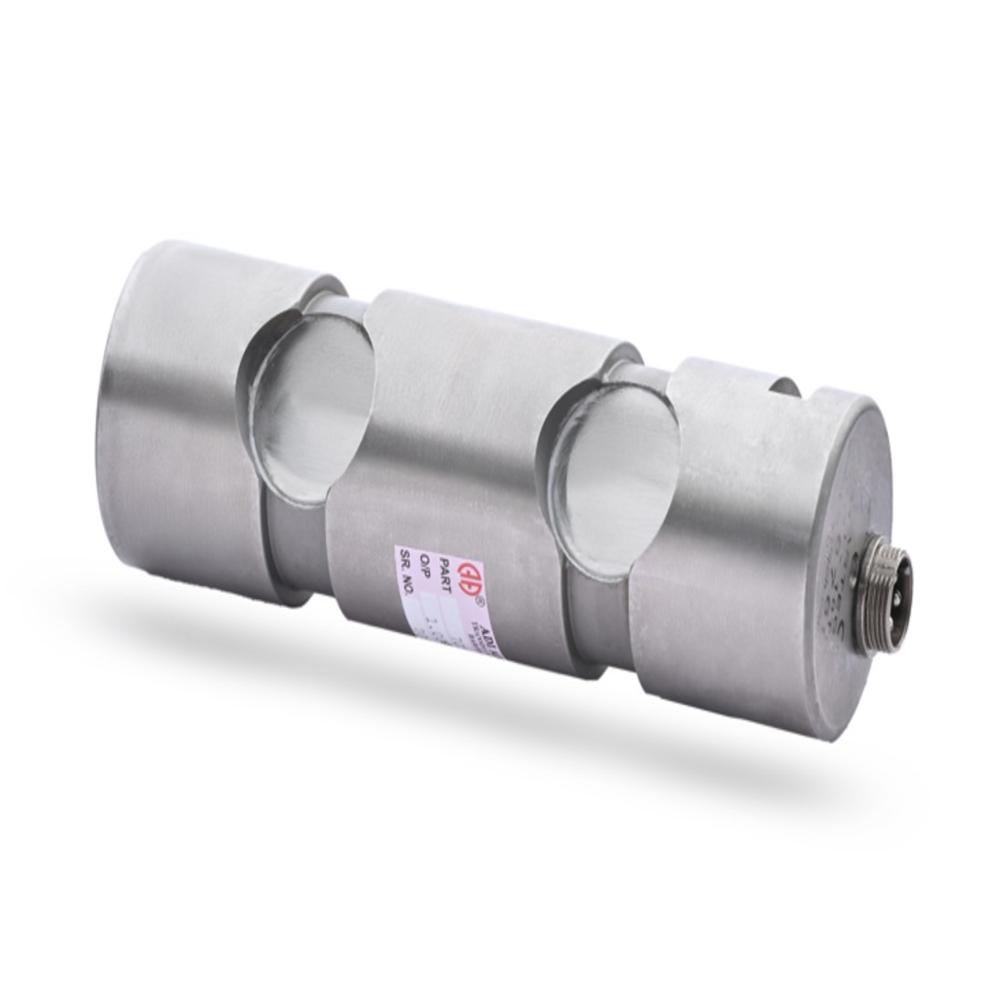
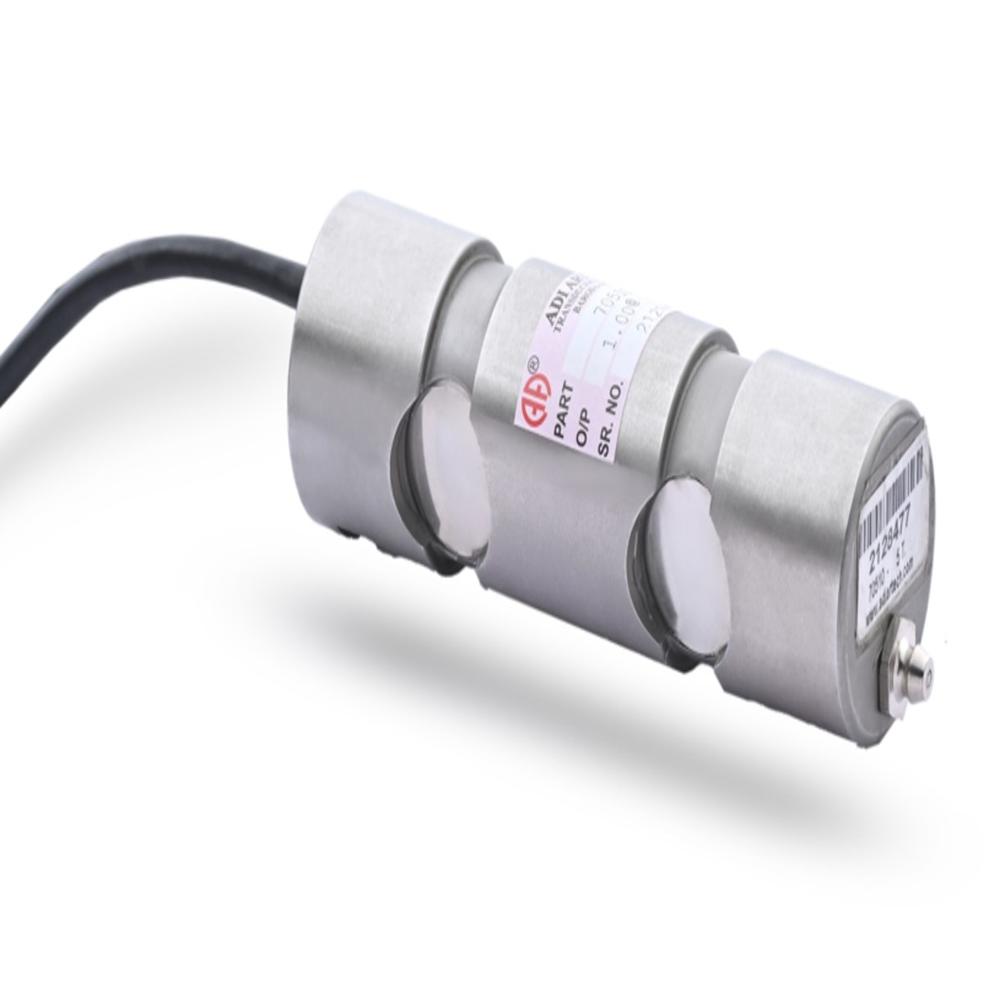
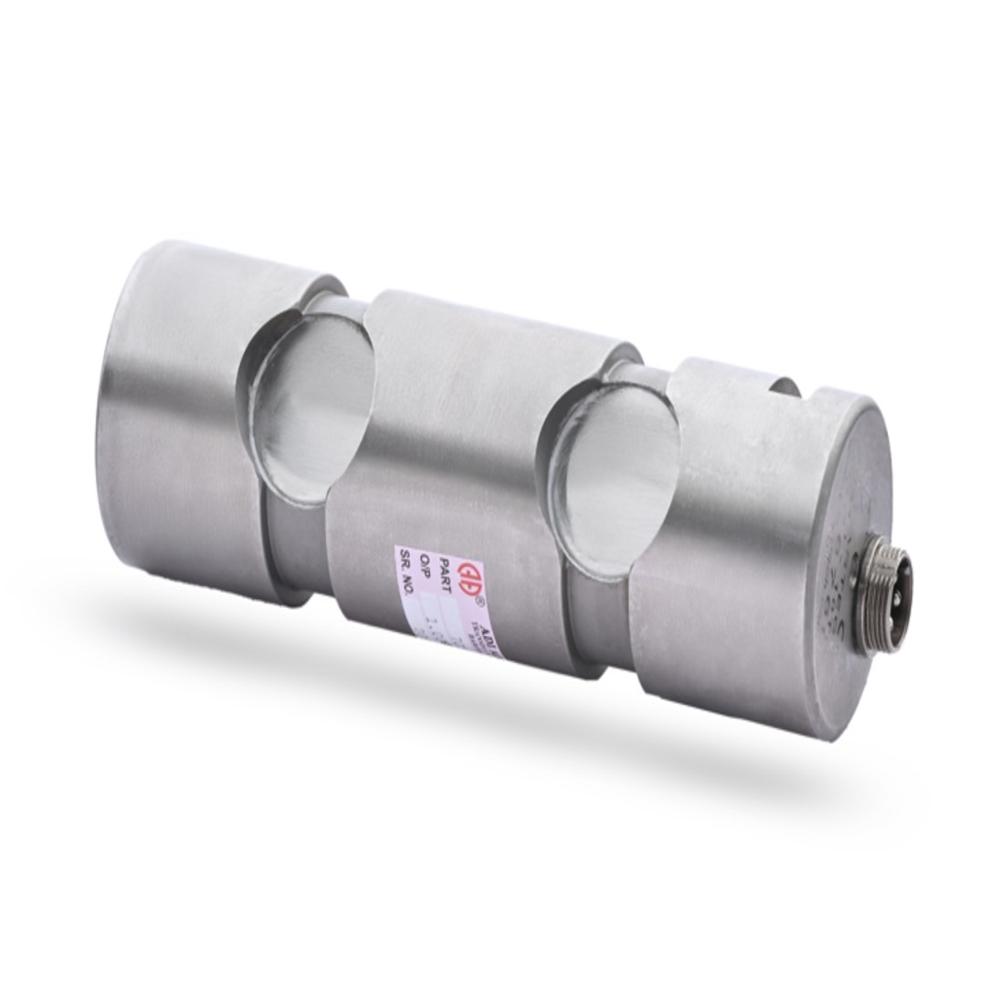
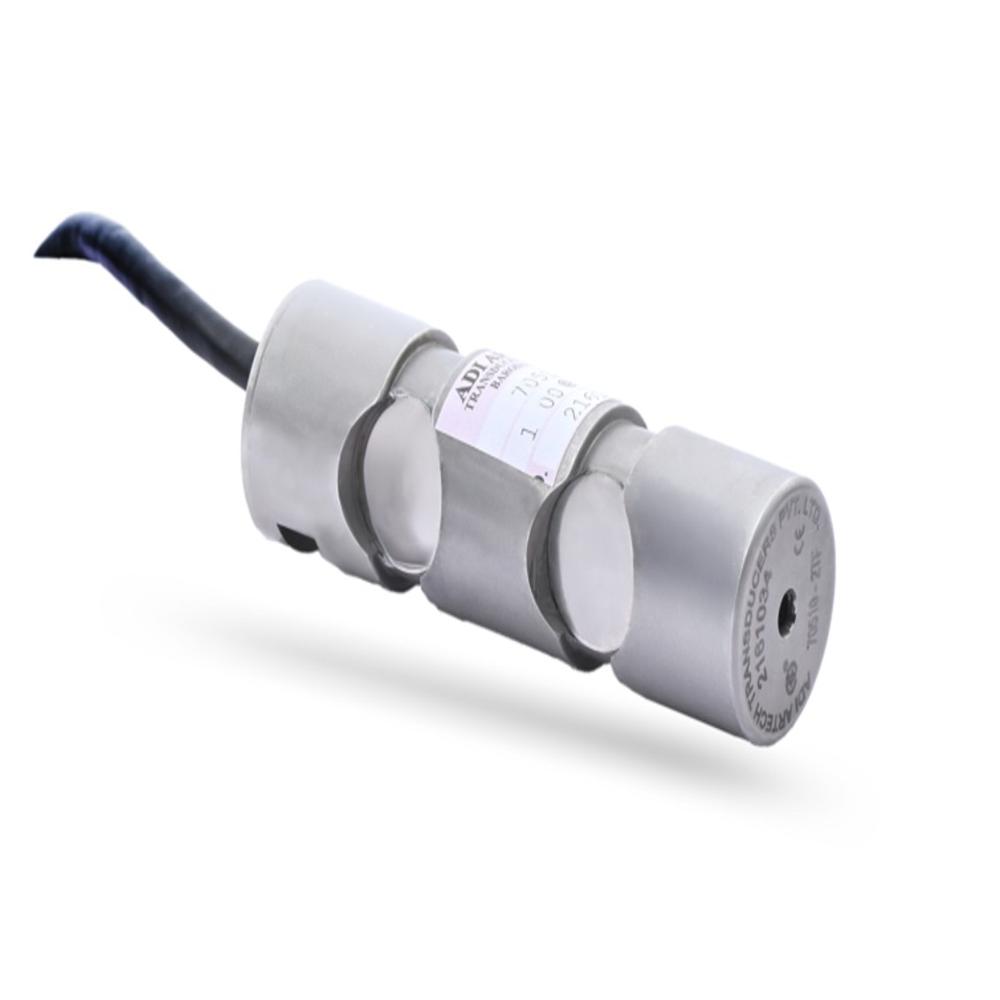
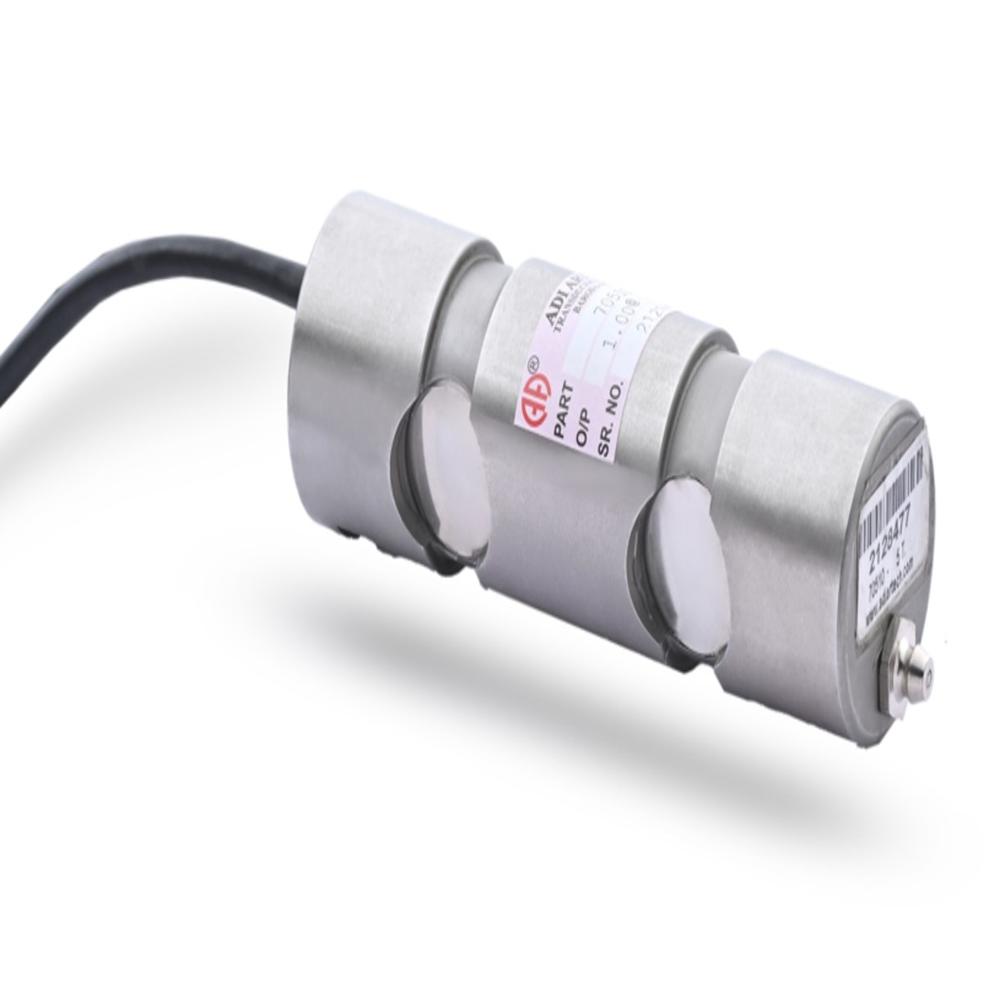
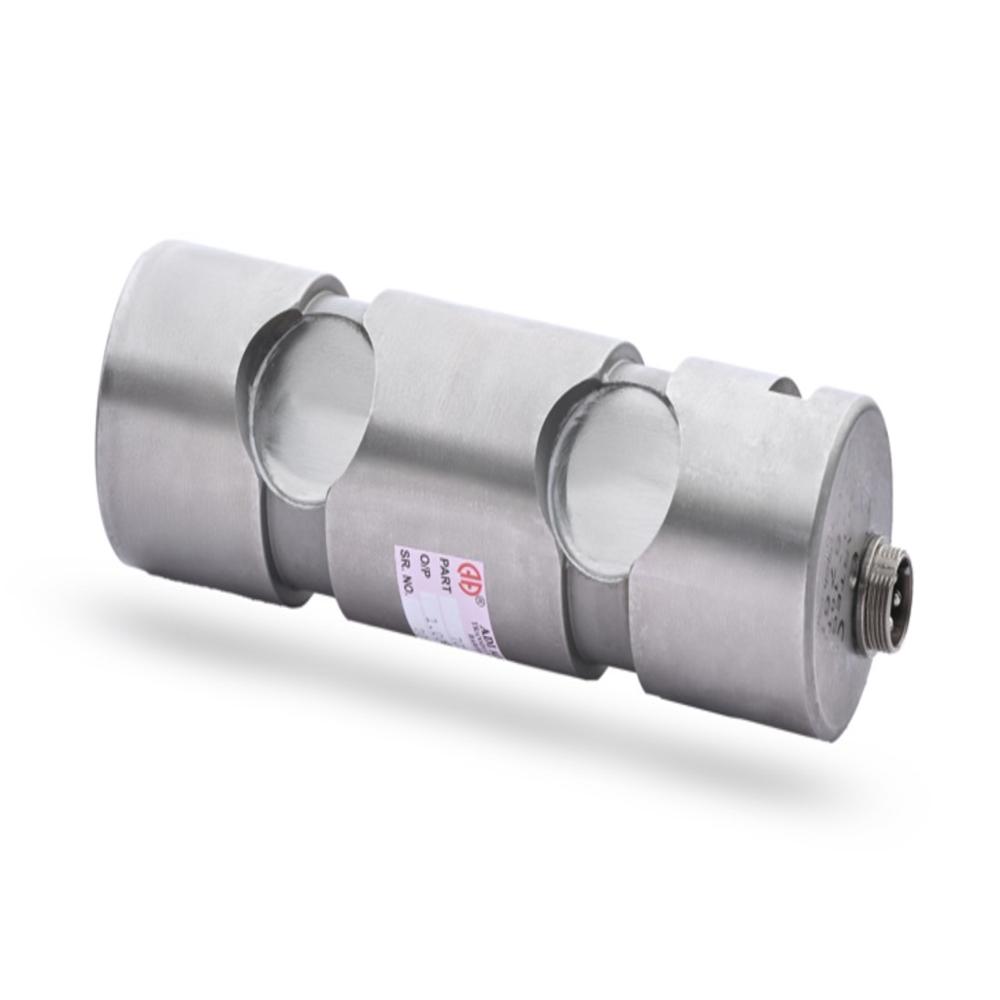
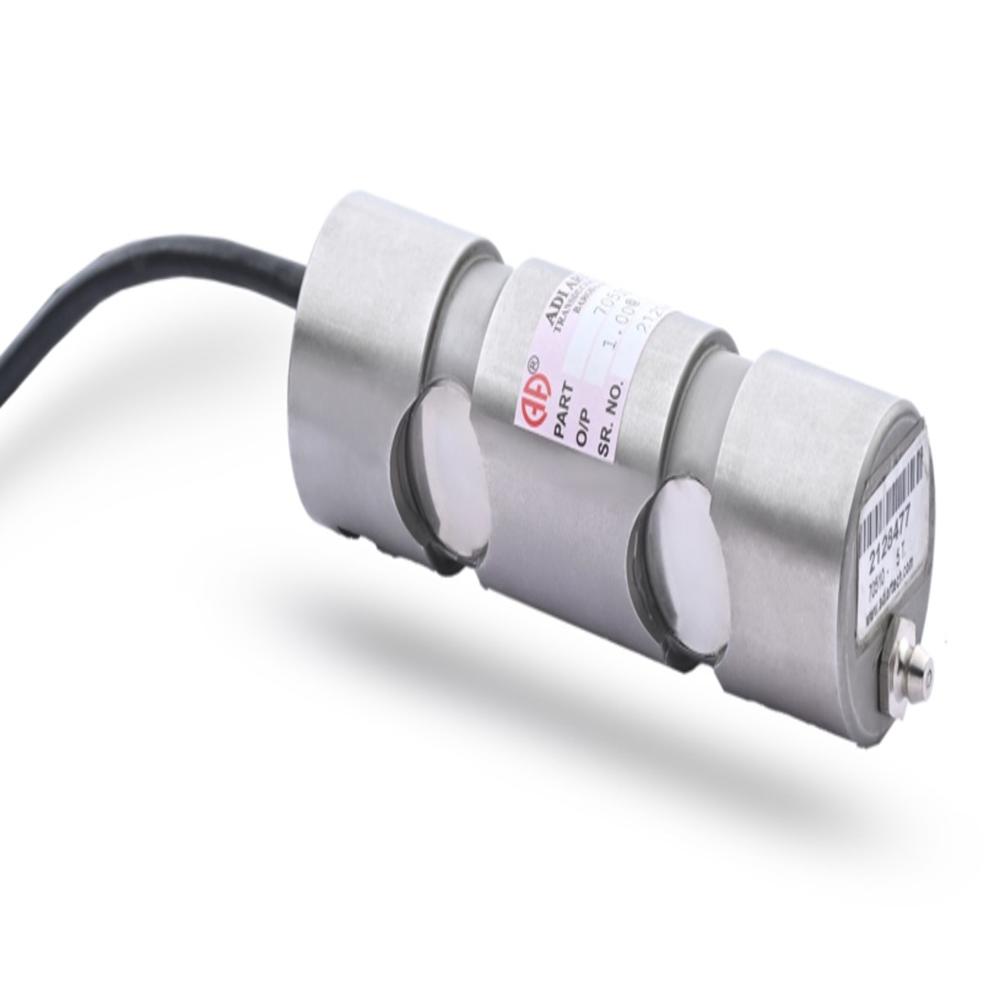
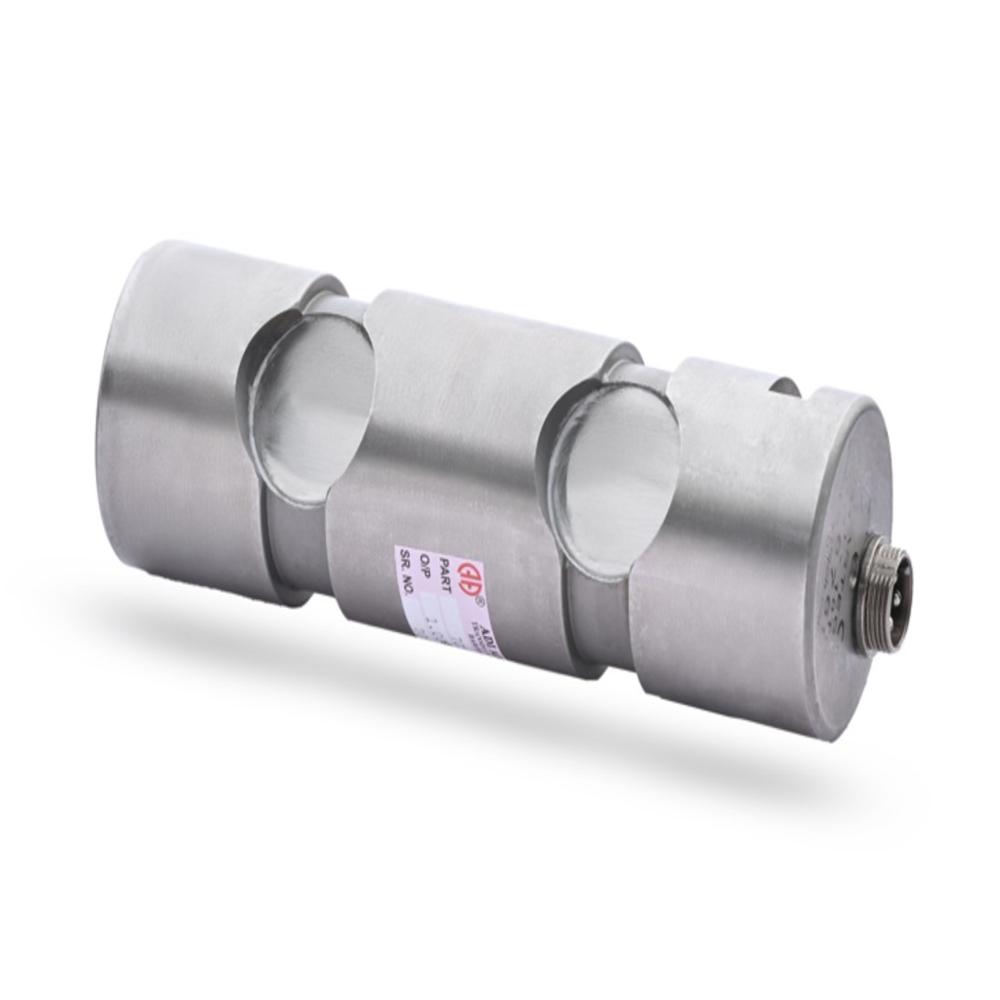
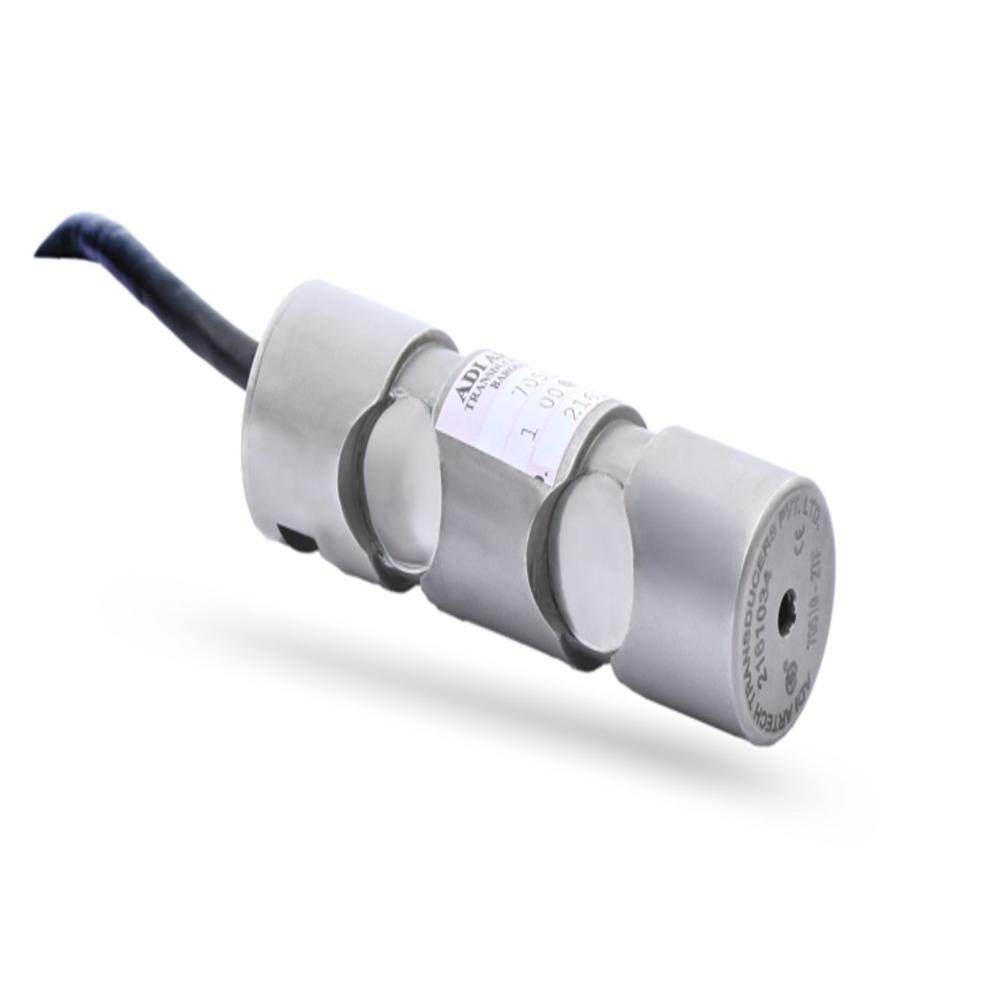
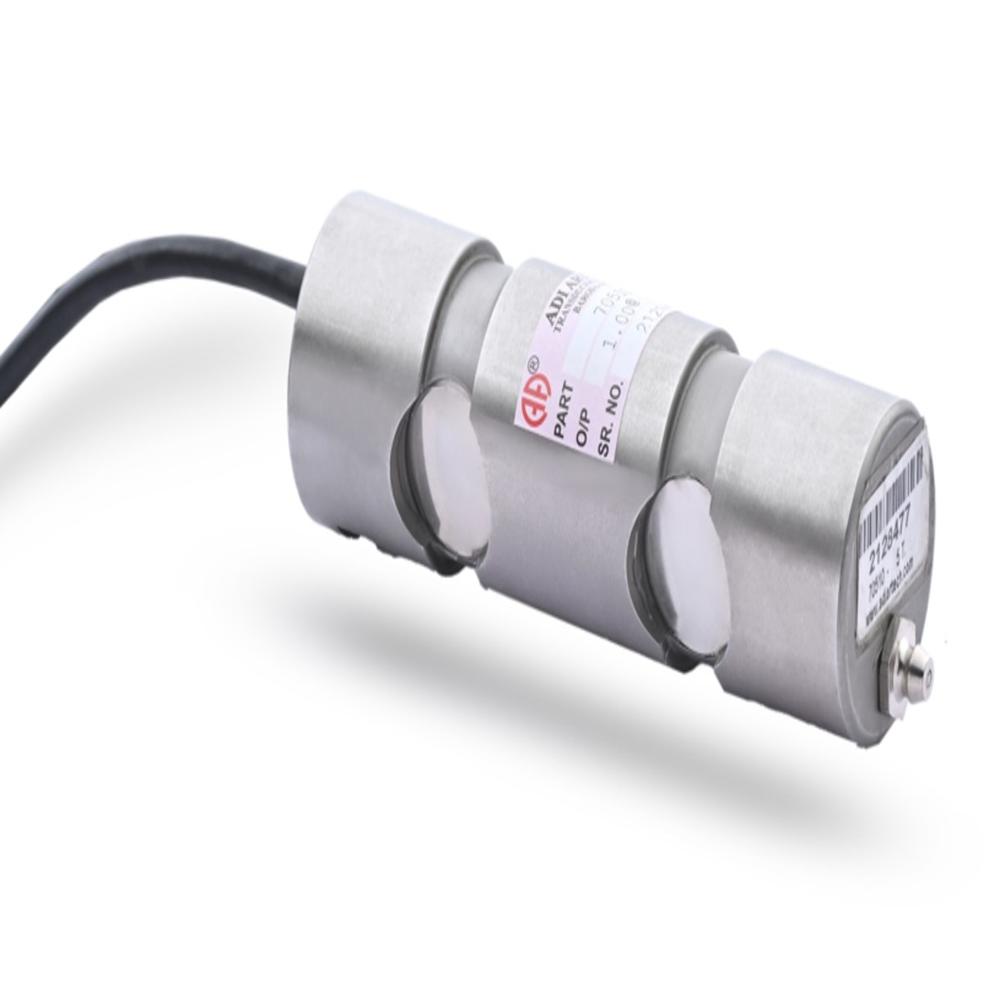
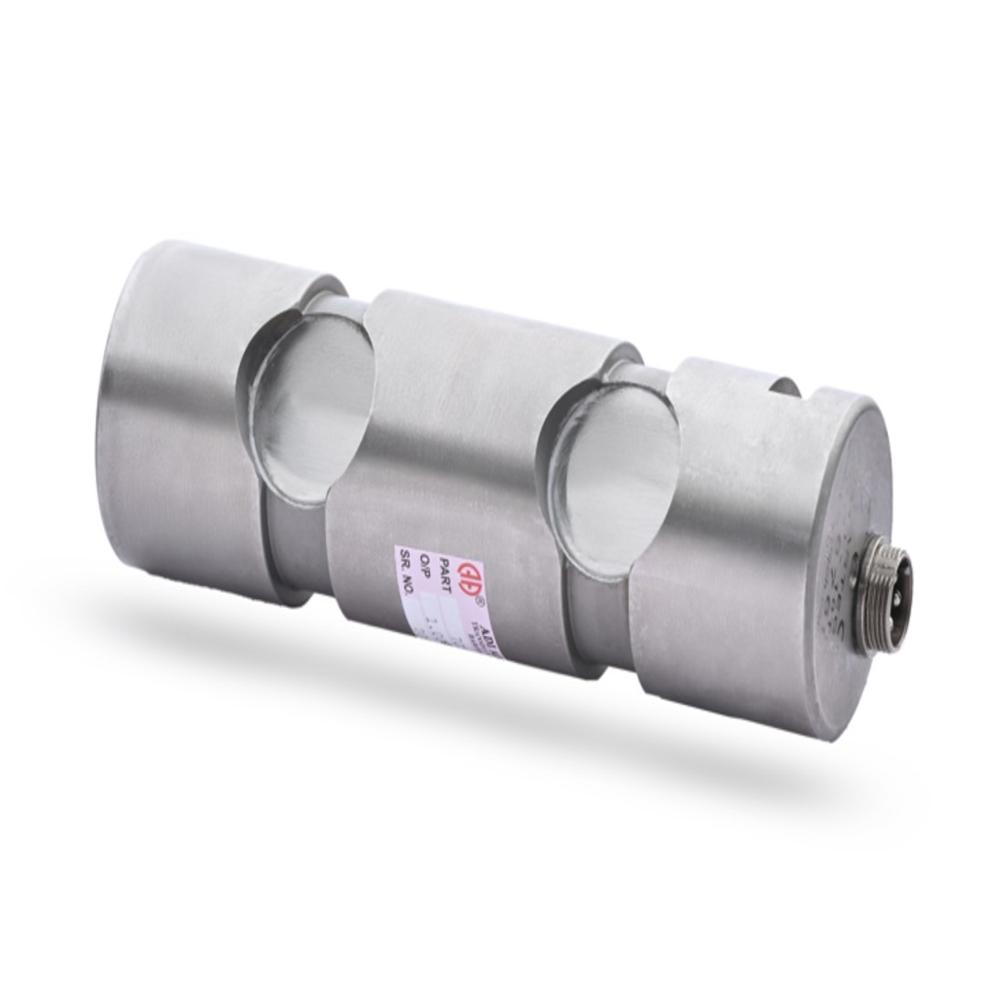

Load Pin Double Ended Shear Beam Type Load Cell
Product Details:
- Operate Method Strain Gauge Based Double Ended Shear Beam Principle (Load applied through pin)
- Voltage 10 VDC (Maximum 15 VDC) Volt (v)
- Power 10 VDC Volt (v)
- Weight 500 Gram(Approx.) Grams (g)
- Application Elevator, Hoist & Crane Load Monitor, Tow Bar Connection, Rope/Cable Tension Measurement (D-Shackle Pin), Front End Loader, Railroad Coupling, Process & Automation
- Capacity 0.5, 1, 2, 3, 5, 10, 20, 30, 50, 75, 100, 150, 200, 300, 400 Ton
- Classification Strain Gauge Based Double Ended Shear Beam Load Cell
- Click to view more
Load Pin Double Ended Shear Beam Type Load Cell Price And Quantity
- 9500.0 INR/Number
- 1 Number
Load Pin Double Ended Shear Beam Type Load Cell Product Specifications
- Pin Type Load Cell
- Load monitoring and tension measurement in industrial lifting and automation systems
- Input Resistance: 390 5 Ohms / 770 20 Ohms Output Resistance: 350 2 Ohms / 700 5 Ohms
- 0.5% FSO %
- 5-10 Volt (V)
- Analog Sensor
- 0-50 Celsius (oC)
- 0-60 Celsius (oC)
- Heat Treated Stainless Steel 17-4 PH
- 81*25 Millimeter (mm)
- Silver
- 0.5, 1, 2, 3, 5, 10, 20, 30, 50, 75, 100, 150, 200, 300, 400 Ton
- Elevator, Hoist & Crane Load Monitor, Tow Bar Connection, Rope/Cable Tension Measurement (D-Shackle Pin), Front End Loader, Railroad Coupling, Process & Automation
- Strain Gauge Based Double Ended Shear Beam Load Cell
- 500 Gram(Approx.) Grams (g)
- 10 VDC Volt (v)
- STRAIN GAGE BASED SHEAR BEAM LOAD CELL
- 10-50 Celsius (oC)
- Resistance Sensor
- 10 VDC (Maximum 15 VDC) Volt (v)
- Strain Gauge Based Double Ended Shear Beam Principle (Load applied through pin)
- 1MV/V Volt (V)
Load Pin Double Ended Shear Beam Type Load Cell Trade Information
- VADODARA
- Cash in Advance (CID), Cash Advance (CA), Cheque
- 10 Number Per Week
- 1 Week
- Yes
- Africa, Asia, Australia, Eastern Europe, Western Europe, Middle East
- All India
- OEM TEST REPORT
Product Description
Product details
|
Cable Length (4 Core Screened) |
5 Meters |
|
Insulation Resistance (50 VDC) |
> 1000 Mega Ohms |
|
Temp. Compensated Range |
Upto 60 Degree C |
|
Excitation Voltage |
10 VDC -15 VDC |
|
Output Resistance |
700 +- 5 Ohms |
|
Input Resistance |
770 +- 20 Ohms |
|
Load Capacity |
250kgf to 500TF |
|
Brand |
ADI ARTECH TRANSDUCERS PVT LTD |
|
Nominal Sensitivity |
2 mv/v |
|
Type |
Pin Type. |
|
Usage/Application |
Industrial |
Load Pin Double Ended Shear Beam Type Load Cell
|
Model |
: | 70510 | |
| Capacity | : | 0 - 0.5Tf to 0 - 400Tf | |
| Load Direction | : | Tension & Compression - Universal | |
| Type | : | Axle Pin Double ended Shear Beam Load / Force Transducer |
| Industries |
|
|
| Application |
|
|
| Description | : |
70510 is Axle Pin designed as double ended shear beam load / force transducer. |
| Features | : |
70510 Axle Pin is available from 0 - 0.5Tf to 0 - 500Tf capacities. |
| Electronic Instrumentation / Software | : |
Compatible Electronic Systems are available optionally- |
Superior Strain Gage Technology
This load cell leverages strain gage-based shear beam technology for accurate and consistent force and weight measurement. The unique double-ended design ensures enhanced stability and reliability, making it ideal for heavy-duty industrial environments and precision applications.
Wide Temperature and Voltage Range
Designed to perform in diverse conditions, this sensor is temperature compensated from 10C to 50C and can operate within 0C to 50C. Its flexibility in operating voltage (5-10V) allows seamless integration into various industrial control systems.
FAQs of Load Pin Double Ended Shear Beam Type Load Cell:
Q: How does the Load Pin Double Ended Shear Beam Type Load Cell function?
A: This load cell works by detecting changes in electrical resistance using strain gages when force is applied to the shear beam. The resulting strain generates an analog output voltage proportional to the weight or force on the load cell.Q: What are the advantages of using this strain gage-based load cell in industrial applications?
A: It provides high accuracy, reliable measurement, and consistent performance across varied environments, thanks to its double-ended shear beam design and temperature compensation. This makes it suitable for demanding industrial weighing and force monitoring uses.Q: When should this load cell be selected over other types?
A: This product is recommended when you require precise analog output, robust temperature tolerance, and dependable performance in environments ranging from 0C to 50C, such as in weighing scales, automation, and structural load testing.Q: Where can I purchase this Load Pin Double Ended Shear Beam Type Load Cell in India?
A: It is available through authorized dealers, distributors, exporters, manufacturers, producers, suppliers, traders, and wholesalers throughout India, ensuring extensive accessibility for various industries.Q: What is the process for installing the load cell in an industrial setup?
A: Installation typically involves mounting the load cell securely at the specified location, connecting electrical wiring according to standard resistance sensor protocols, and calibrating the output to match system requirements.Q: How should the load cell be stored when not in use?
A: For optimal preservation, the load cell should be kept within the storage temperature range of 0C to 60C and shielded from moisture, extreme humidity, and mechanical shock.Q: What benefits can users expect from this load cell?
A: Users will benefit from robust measurement accuracy, reliable analog signal output, and stability under variable operating conditions, which are crucial for quality control and process efficiency in industrial applications.
Price:
- 50
- 100
- 200
- 250
- 500
- 1000+


- 917/1, G.I.D.C., Makarpura,Vadodara - 390010, Gujarat, India

- Phone : 08045479166
- Send Inquiry
 Send Inquiry
- Mr Jayanti R Vachhani (Director)
- Mobile : 08045479166

 |
ADI ARTECH TRANSDUCERS PVT. LTD.
All Rights Reserved.(Terms of Use) Developed and Managed by Infocom Network Private Limited. |
