



 +919727444682 08045479166
 Send Inquiry
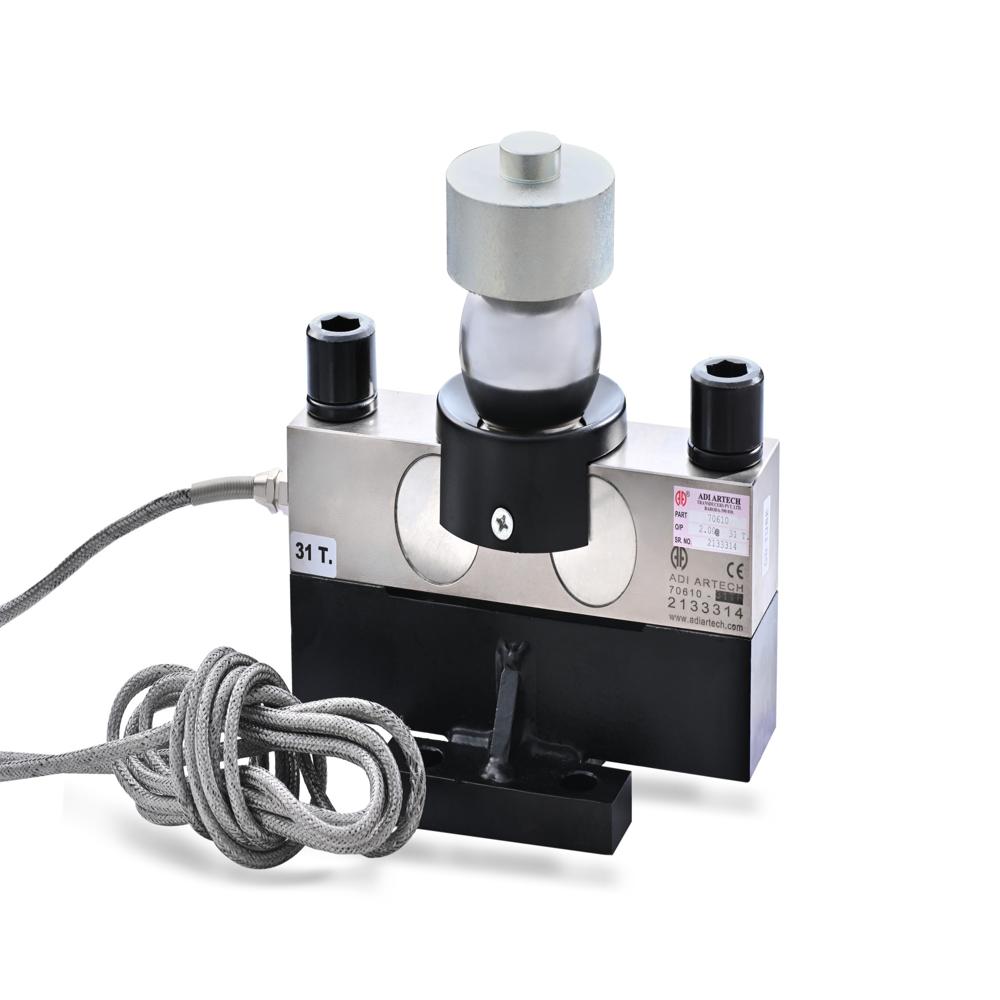
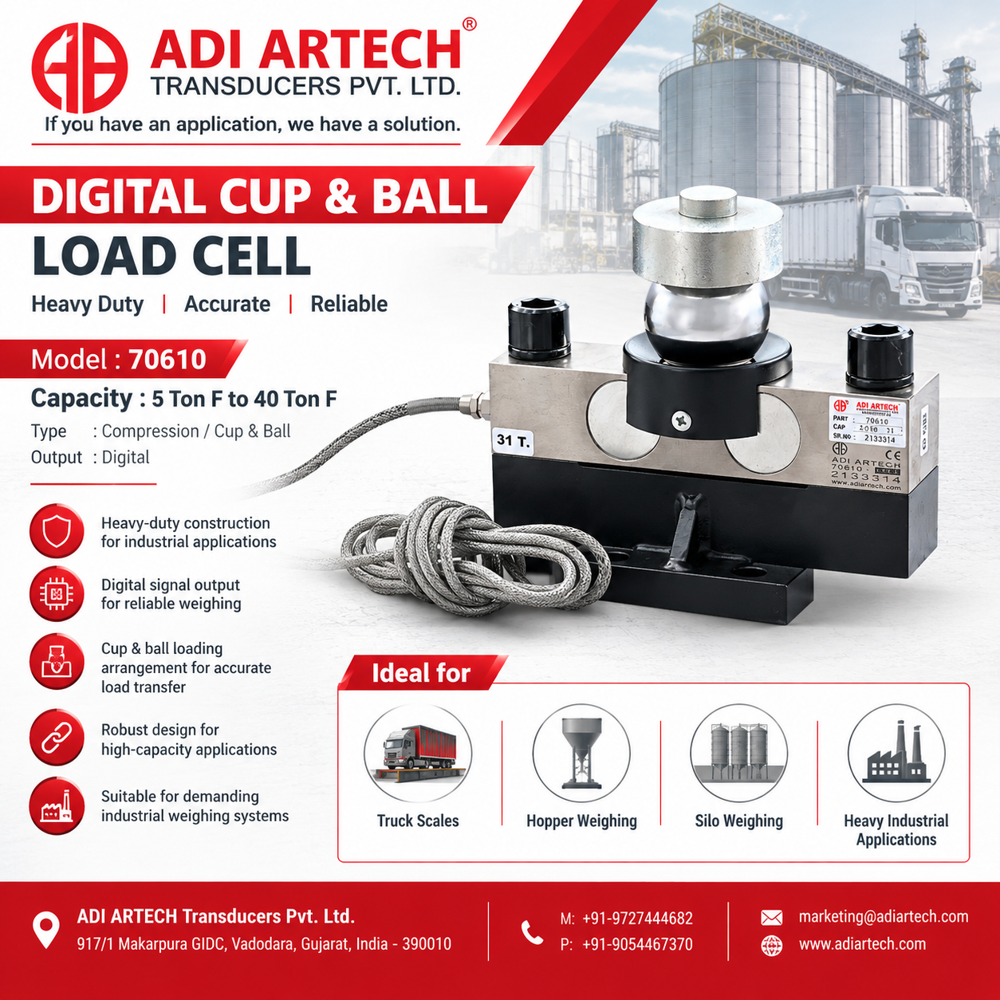
Digital Cup Ball Load Cells 70610-DiGI
Price 8500.0 INR/ Number
MOQ : 1 Number
Digital Cup Ball Load Cells 70610-DiGI Specification
- Features
- CE Rated, IP68, Shock & Side Force Resistant, Self-Centering, Embedded Electronics
- Signal Type
- Digital
- Measurement Range
- 5, 10, 15, 20, 30 & 40 Tf
- Wireless
- No
- Interface
- RS485
- IP Rating
- IP68
- Ingress Protection
- IP68
- Application
- Truck Weighbridge, Tank & Hopper Weighing, Tensile Testing
- Power Consumption
- 10 Volt (V)
- Sensor Type
- Double Ended Shear Beam Load Cell
- Power Rating
- IP 68
- Product Type
- Cup & Ball Mounting
- Input
- 10 VDC Maximum Nominal
- Output
- Digital RS485
- Function
- Digital Weight/Force Measurement
- Usage
- Industrial Weighing
- Accuracy
- 0.05 %
- Resolution
- 20,000 DIV. (Internal 200,000)
- Voltage
- 10 VDC Maximum Nominal Volt (v)
- Usage & Applications
- Truck Weighbridge, Tank & Hopper Weighing, Tensile Testing
- Cable Type
- 4 core cable
- Warranty
- 1 year on manufacturing defect
- Display Type
- NA
- Material
- Electroless Nickel Plated Tool Steel
Digital Cup Ball Load Cells 70610-DiGI Trade Information
- Minimum Order Quantity
- 1 Number
- FOB Port
- Vadodara
- Payment Terms
- Cash in Advance (CID), Cheque, Paypal, Cash Advance (CA)
- Supply Ability
- 100 Per Month
- Delivery Time
- 12 Days
- Sample Available
- No
- Main Export Market(s)
- Eastern Europe, Western Europe, Middle East, Africa, Asia, Australia
- Main Domestic Market
- All India
Digital Cup Ball Load Cells 70610-DiGI About
Tell us about your requirement

Price:
Quantity
Select Unit
- 50
- 100
- 200
- 250
- 500
- 1000+
Additional detail
Mobile number
Email

More Products in DIGITAL LOAD CELL Category
Digital Load Cell
Price 12500.0 INR / Number
Minimum Order Quantity : 1 Number
Measurement Range : 5 Tf, 10 Tf, 15 Tf, 20 Tf, 30 Tf, 40 Tf
Phase : DC Operation
Cable Length : 12 meters Meter (m)
Wireless : No

Contact Details

- 917/1, G.I.D.C., Makarpura,Vadodara - 390010, Gujarat, India

- Phone : 08045479166
- Send Inquiry
 Send Inquiry
- Mr Jayanti R Vachhani (Director)
- Mobile : 08045479166
Useful Links

 |
ADI ARTECH TRANSDUCERS PVT. LTD.
All Rights Reserved.(Terms of Use) Developed and Managed by Infocom Network Private Limited. |
