



 +919727444682 08045479166
 Send Inquiry
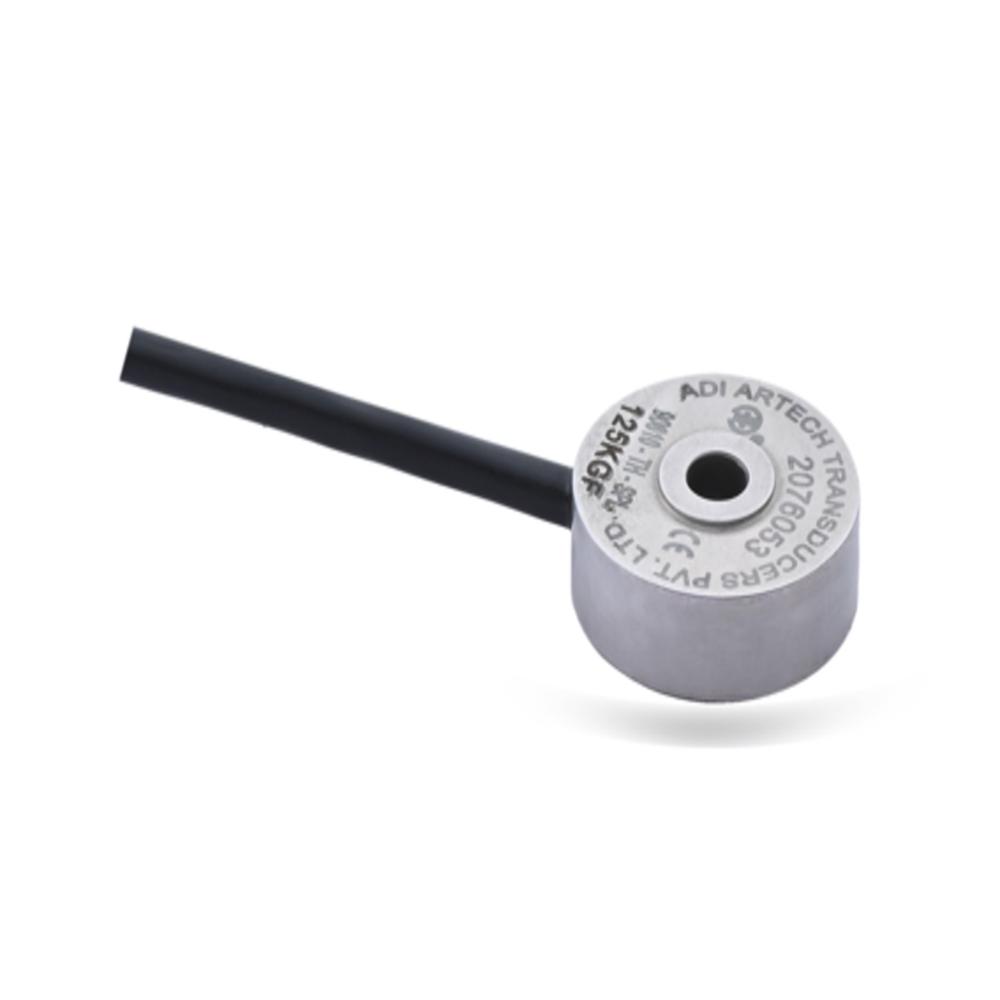
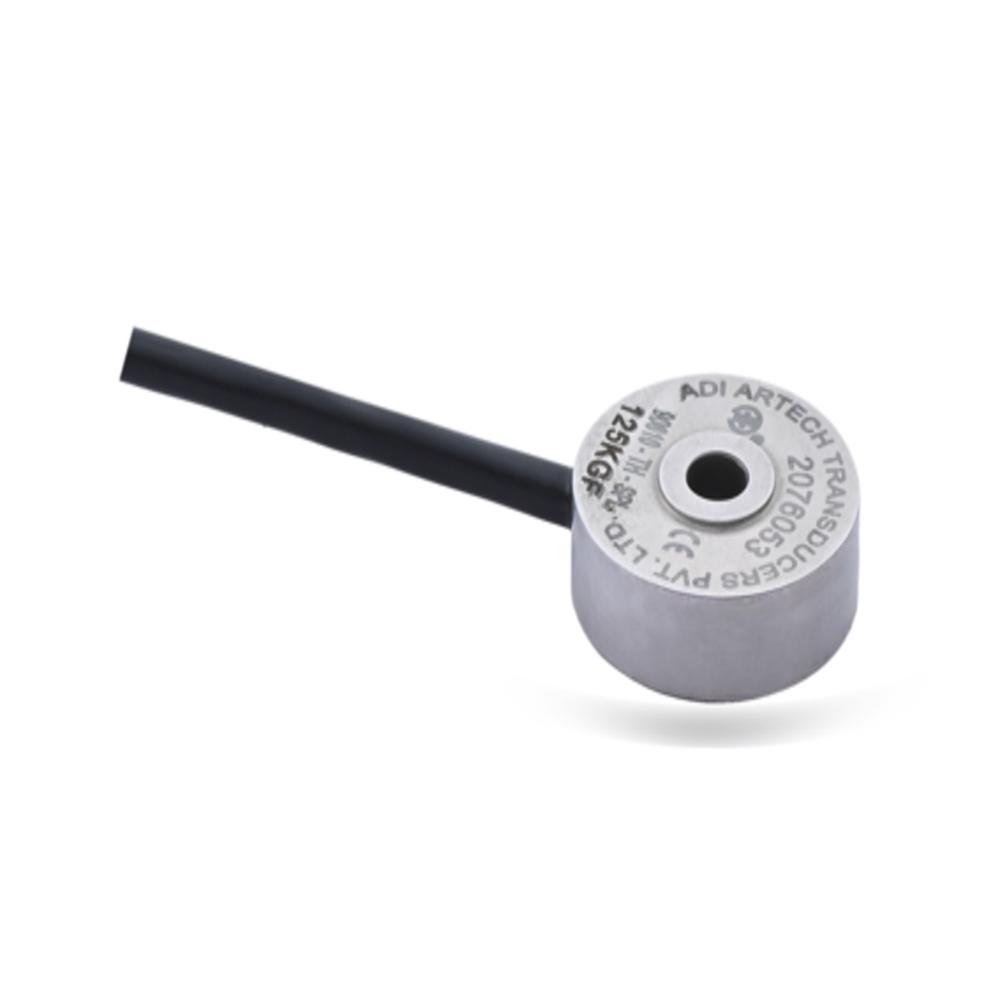
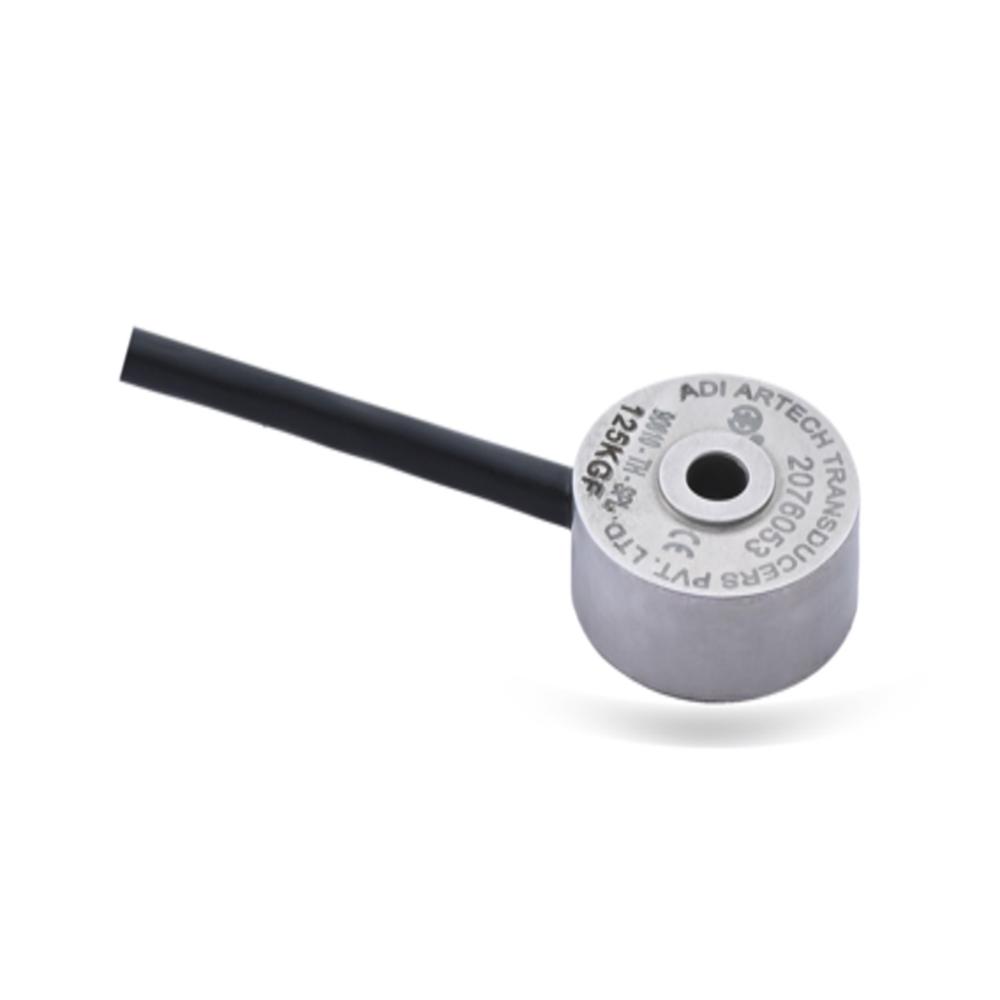
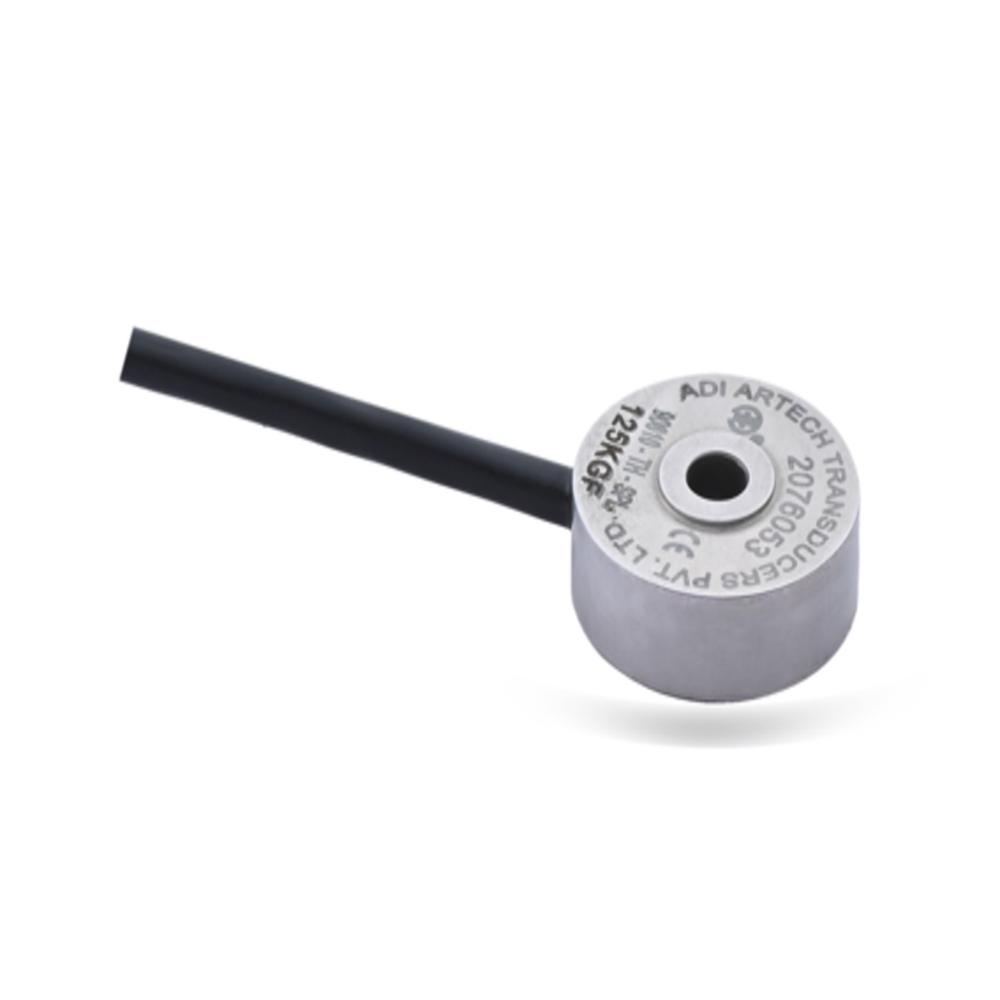
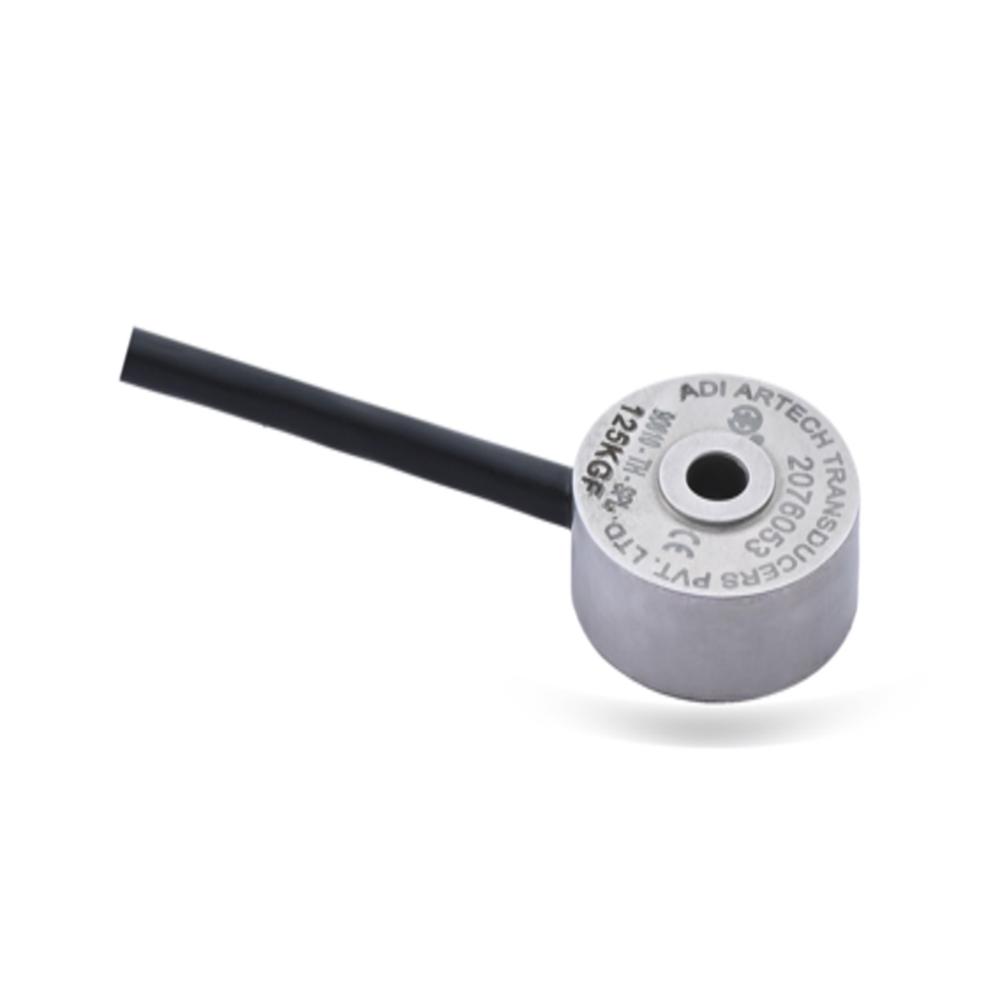
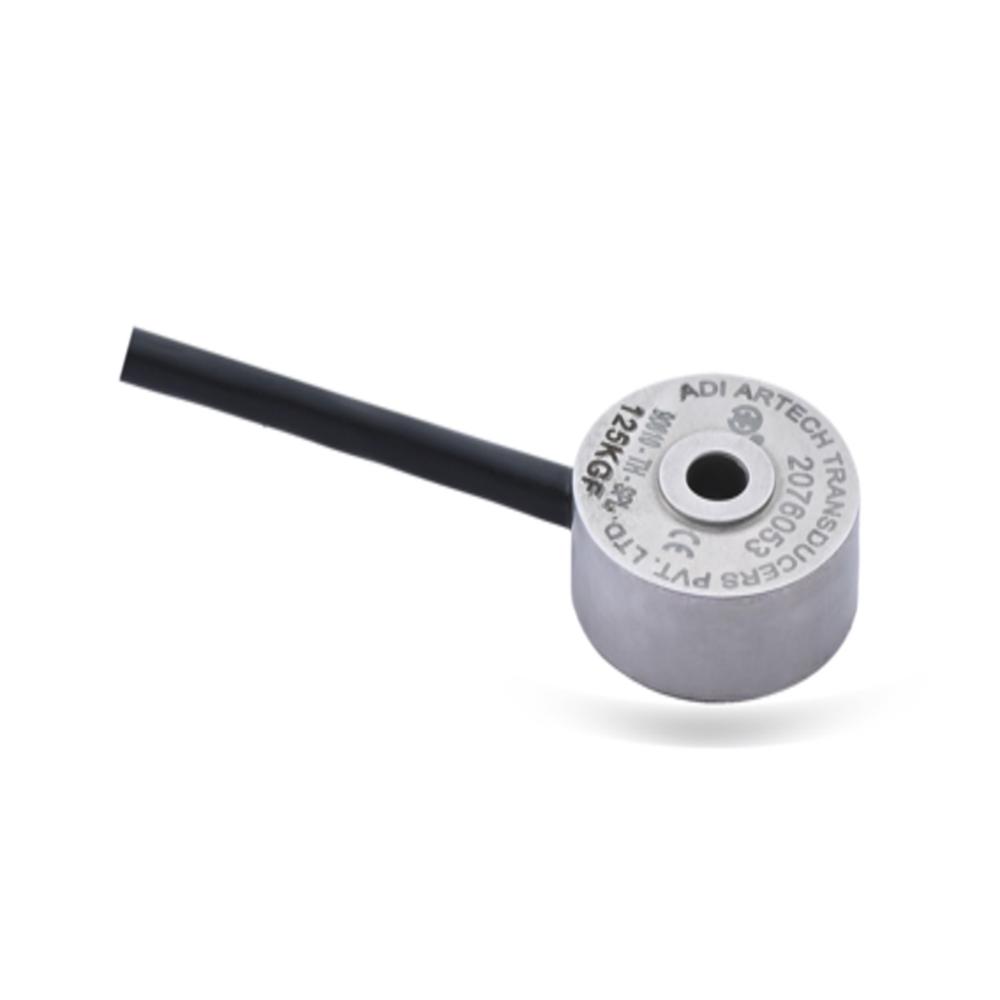
Through Hole Compression Load Cell
Price 20000.0 INR/ Number
Through Hole Compression Load Cell Specification
- Application
- Fastener testing, Bolt force measurement ,Civil engineering testing ,Injection molding machines ,Material testing ,Press calibration ,Robotics & automation, Suspended load weighing, Prestressed concrete force measurement
- Power
- 10 Volt (v)
- Resistance
- Input: 380 20 , Output: 350 3
- Product Type
- Through Hole Load Cell
- Usage
- Force measurement in fasteners, suspended loads, and structural testing
- Classification
- Compression Load Cell
- Color
- metallic / stainless steel finish
- Material
- STEEL
- Capacity
- 20, 50, 100, 150, 200, 500 Kg
- Operate Method
- Strain gauge-based measurement (compression via bolt/fastener tightening)
- Voltage
- 10 VDC (Max 15 VDC) Volt (v)
- Output
- Analog Sensor
- Theory
- Resistance Sensor
- Type
- Through Hole Compression Type
- Accuracy
- 0.5% FSO %
- Operating Voltage
- 5-10 Volt (V)
- Output Voltage
- 2mv Volt (V)
- Compensated Temperature
- 10-50 Celsius (oC)
- Storage Temperature
- 0-60 Celsius (oC)
- Operating Temperature
- 10 to 50 Celsius (oC)
Through Hole Compression Load Cell Trade Information
- Minimum Order Quantity
- 1 Number
- FOB Port
- VADODARA
- Payment Terms
- Cash Advance (CA), Cash in Advance (CID), Cheque
- Supply Ability
- 100 Per Week
- Delivery Time
- 1 Week
- Sample Available
- No
- Main Export Market(s)
- Eastern Europe, Asia, Australia, Western Europe, Middle East, Africa
- Main Domestic Market
- All India
Through Hole Compression Load Cell About
The 90610-TH Through Hole Load Cell is a compression-type, strain gaugebased sensor designed specifically for fastener and bolt force measurement. It works by converting tensile force applied to a fastener into compressive force on the load cell.
It features a central hole, allowing bolts or rods to pass through, making it ideal for in-line force monitoring. The sensor is temperature compensated, easy to install, and suitable for both static and dynamic applications.
Built with stainless steel (17-4 PH) and IP65 protection, it ensures durability in industrial environments.
Key Features
- Through-hole design for bolt/fastener testing
- Strain gauge technology (high accuracy)
- Temperature compensated (1050C)
- IP65 protection (dust & splash resistant)
- Standard output: 1 mV/V
- Capacities: 20 kgf to 500 kgf (custom up to higher ranges)
- Safe overload: 150%, Ultimate: 250%
Applications
- Fastener & bolt force measurement
- Civil engineering testing (prestressed concrete)
- Material testing machines
- Injection molding machines
- Press calibration
- Robotics & automation
- Suspended load weighing
FAQs
1. What is a through-hole load cell?
A through-hole load cell has a central opening that allows a bolt or rod to pass through, enabling direct force measurement in fastening systems.
2. How does it measure force?
It uses strain gauges. When force is applied, the metal deforms slightly, changing electrical resistance, which is converted into a measurable output signal.
3. Why are washers recommended?
Washers help:
- Distribute load evenly
- Prevent surface damage
- Improve measurement accuracy
4. What is the typical output signal?
Standard output is 1 mV/V, meaning:
- At full load, output = 1 mV per volt of excitation
- Example: 10V supply 10 mV output
5. What is the difference between safe and ultimate overload?
- Safe overload (150%) No permanent damage
- Ultimate overload (250%) Risk of permanent failure
6. Can it measure tension directly?
No. It measures compression, but in applications like bolts, tension is converted into compression on the sensor.
7. What causes measurement errors?
Common reasons:
- Improper mounting
- Side loads (>50%)
- Temperature variation
- Poor electronics/filtering
8. Is it suitable for dynamic applications?
Yes, it can be used for vibration, impact, and dynamic force measurement, depending on signal conditioning.
9. What excitation voltage should be used?
- Recommended: 10 VDC
- Maximum: 15 VDC
10. Where should it be installed?
- On a flat, rigid surface
- Load applied axially through the center hole

Price:
- 50
- 100
- 200
- 250
- 500
- 1000+

More Products in DONUT TYPE THROUGH HOLE ANNULAR LOAD CELL Category
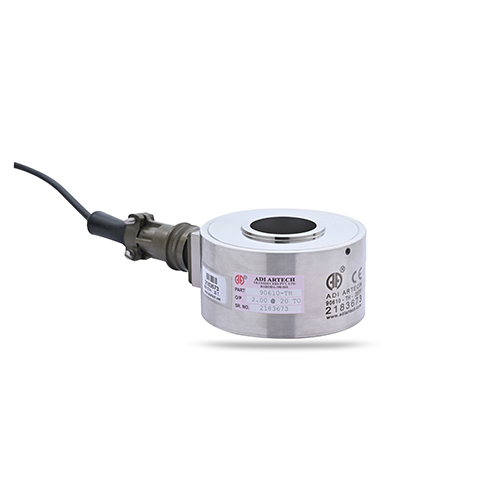
90610-TH Through Hole Compression Load Cell
Price 29500.0 INR / Number
Minimum Order Quantity : 1 Number, Number, Number
Color : Silver
Output Voltage : 2mv Volt (V)
Accuracy : 0.5% FSO %
Dimension (L*W*H) : 84*50 Millimeter (mm)


- 917/1, G.I.D.C., Makarpura,Vadodara - 390010, Gujarat, India

- Phone : 08045479166
- Send Inquiry
 Send Inquiry
- Mr Jayanti R Vachhani (Director)
- Mobile : 08045479166

 |
ADI ARTECH TRANSDUCERS PVT. LTD.
All Rights Reserved.(Terms of Use) Developed and Managed by Infocom Network Private Limited. |
