



 +919727444682 08045479166
 Send Inquiry
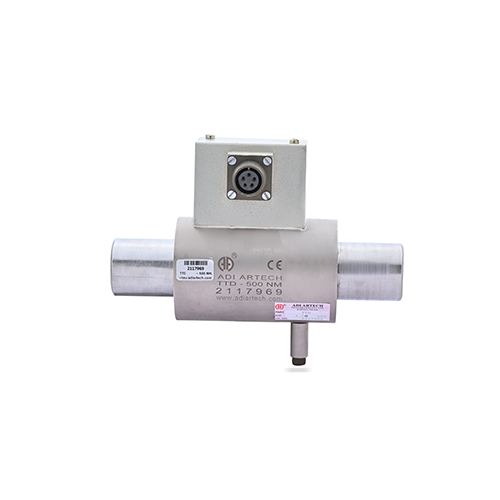
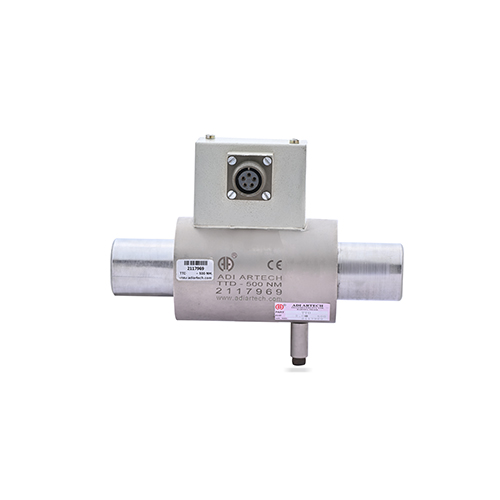
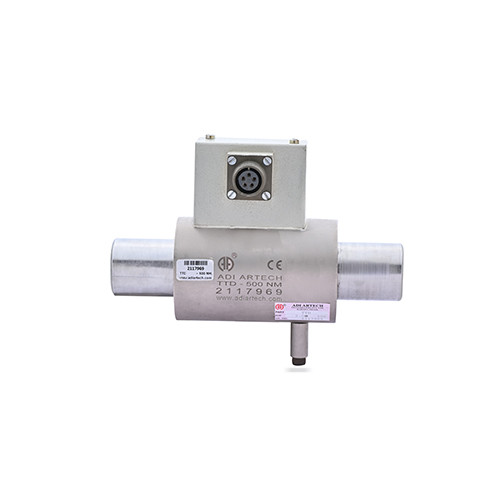
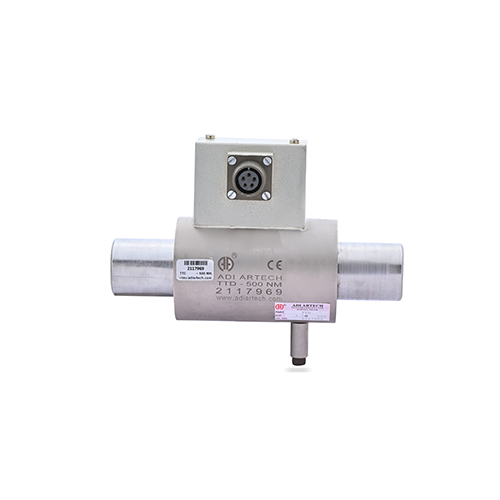
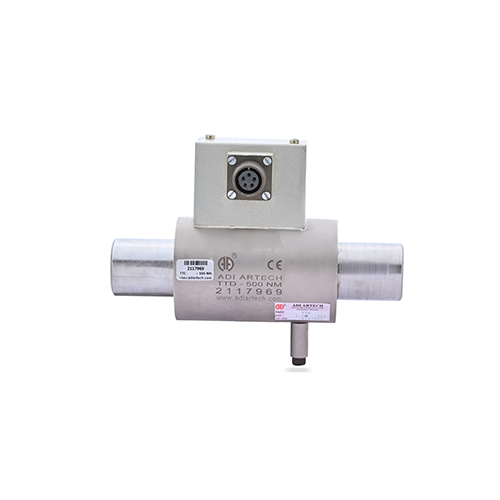
Dynamic Type Rotary Torque Transduser
Price 110000.0 INR/ Number
Dynamic Type Rotary Torque Transduser Specification
- Material
- Stainless Steel 17-4 PH
- Operate Method
- Strain gauge based rotary torque measurement with slip ring and brush mechanism
- Usage
- Measurement of dynamic torque in rotating shafts and equipment
- Classification
- Rotary type torque sensor (Dynamic)
- Color
- Silver
- Power
- 10 VDC Volt (v)
- Dimension (L*W*H)
- 180*20 Millimeter (mm)
- Weight
- 2 KG(APPROX.) Kilograms (kg)
- Voltage
- 10 VDC (Maximum 15 VDC) Volt (v)
- Resistance
- Input Resistance: 390 , Output Resistance: 350
- Product Type
- Dynamic Torque Transducer
- Application
- Electrical tool testing, gearbox testing, axle/shaft torsion test, bearing friction measurement, testing of starters/slip rings/brushes/clutches/brakes, electric/hydraulic/pneumatic motor testing, alternators, pumps, gas & diesel turbine engine testing, engine dynamometer, automobile testing
- Output
- Analog Sensor
- Theory
- Resistance Sensor
- Type
- DYNAMIC ROTATING TORQUE SENSOR
- Accuracy
- 0.1% FSO %
- Operating Voltage
- 10 VDC nominal, 15 VDC maximum Volt (V)
- Output Voltage
- 2mV/V Volt (V)
- Compensated Temperature
- 10-50 Celsius (oC)
- Storage Temperature
- 0-60 Celsius (oC)
- Operating Temperature
- 0-50 Celsius (oC)
Dynamic Type Rotary Torque Transduser Trade Information
- Minimum Order Quantity
- 1 Number
- FOB Port
- VADODARA
- Payment Terms
- Cash Advance (CA), Cash in Advance (CID), Cheque
- Supply Ability
- 10 Per Week
- Delivery Time
- 1 Week
- Sample Available
- No
- Main Export Market(s)
- Asia, Australia, Eastern Europe, Western Europe, Middle East, Africa
- Main Domestic Market
- All India
- Certifications
- FACTORY OEM CERTIFICATE
Dynamic Type Rotary Torque Transduser About
Product details
|
Cable Length (4 Core Screened) |
5 Meters |
|
Excitation Voltage |
10 VDC |
|
Input Resistance |
390 Ohms |
|
Nominal Output |
2m V / V |
|
Output Resistance |
350 Ohms |
|
Type |
Shaft to Shaft Torque sensor |
|
Material |
Stainless Steel |
|
Model/Type |
TTD-SS |
|
Brand |
ADI ARTECH TRANSDUCERS PVT LTD |
|
Range |
10NM to 50KNM |
Dynamic type Rotary Torque Transduser
|
Model |
: | TTD-SS | |
| Capacity | : | 0-50 NM to 0-50,000 NM | |
| Load Direction | : | Clock & Anticlock Wise | |
| Type | : | Torque Sensor / Transducer - Shaft to Shaft - Dynamic |
| Industries |
|
|
| Application |
|
|
| Description | : |
TTD-SS is general purpose dynamic rotary type torque sensor for accurate measurement of torque in rotating shafts or equipments. |
| Features | : |
It is compensated for axial and bending forces for accurate measurements. |
| Electronic Instrumentation / Software | : |
Compatible Electronic Systems are available optionally- |
Reliable Torque Measurement
Our Dynamic Type Rotary Torque Transducer delivers precise measurement with 0.1 accuracy, making it perfect for high-performance machinery and testing applications. The robust build ensures dependability during continuous operation, while a 2mV output delivers consistent and high-fidelity signal for analysis.
Versatile Applications and Usages
Designed to suit a broad range of sectors, this torque sensor is utilized in automotive, manufacturing, and research fields. Its dynamic measuring capability allows real-time monitoring of torque in rotating shafts, enabling users to optimize machine performance, diagnose faults, and enhance product quality.
FAQs of Dynamic type Rotary Torque Transduser:
Q: How does the Dynamic Type Rotary Torque Transducer work?
A: The sensor functions by detecting and converting the mechanical torque in a rotating shaft into a proportional electrical signal, outputting 2mV for further analysis via external devices. This allows real-time monitoring and control in dynamic systems.Q: What are the benefits of using this torque sensor in industrial applications?
A: It offers high accuracy (0.1), reliability in dynamic measurement, and compatibility with standard monitoring equipment, making it valuable for optimizing machine efficiency, supporting quality control, and reducing operational downtime.Q: When should I use a Dynamic Rotating Torque Sensor?
A: It is best applied when real-time, accurate torque measurements are required in rotating machinery, especially for testing, quality assurance, or performance optimization in automotive or manufacturing industries.Q: Where can I find suppliers or dealers for this torque transducer in India?
A: Certified dealers, exporters, manufacturers, and wholesalers across India supply this sensor. You can contact local industrial equipment suppliers or check online directories to connect with authorized distributors directly.Q: What is the process of installing this torque sensor?
A: Installation typically involves mounting the sensor onto the rotating shaft, securing it with the provided hardware, and connecting the output terminals to a compatible voltmeter or data acquisition system. Refer to the manufacturers instructions for detailed steps.Q: How should the sensor be stored to maintain its performance?
A: Store the sensor in an environment within 0C to 60C to ensure longevity and maintain its high-precision capabilities. Avoid areas with high humidity or corrosive chemicals to prevent damage.Q: What operating conditions ensure optimal sensor performance?
A: Operate the sensor in temperatures between 0C and 50C, with compensated accuracy from 10C to 50C, to guarantee reliable and accurate torque readings.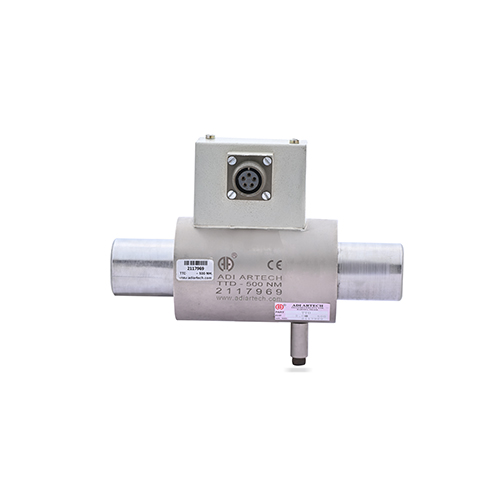

Price:
- 50
- 100
- 200
- 250
- 500
- 1000+

More Products in REACTION AND ROTARY TORQUE TRANSDUCERS Category
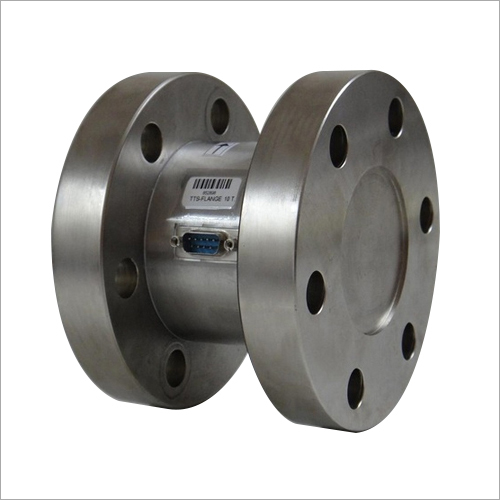
Static Torque Transducer Flange Type
Price 36000.0 INR / Number
Minimum Order Quantity : 100
Operate Method : Strain gauge based torque and thrust measurement, compensated for bending forces
Usage : Measurement of static torque and compressive thrust on shafts and equipment
Resistance : Input Resistance: 390 Output Resistance: 350
Storage Temperature : 0 C to 60 C Celsius (oC)
Static Reaction Torque Transducer
Price 120000.0 INR / Number
Minimum Order Quantity : 1 Number, Number, Number
Operate Method : Strain Gauge Technology (Reaction Torque Measurement through shaft ends with keyways)
Usage : Accurate static torque measurement in industrial and research setups
Resistance : Input Resistance: 392 15 , Output Resistance: 350 3
Storage Temperature : 0 C to 50 C Celsius (oC)
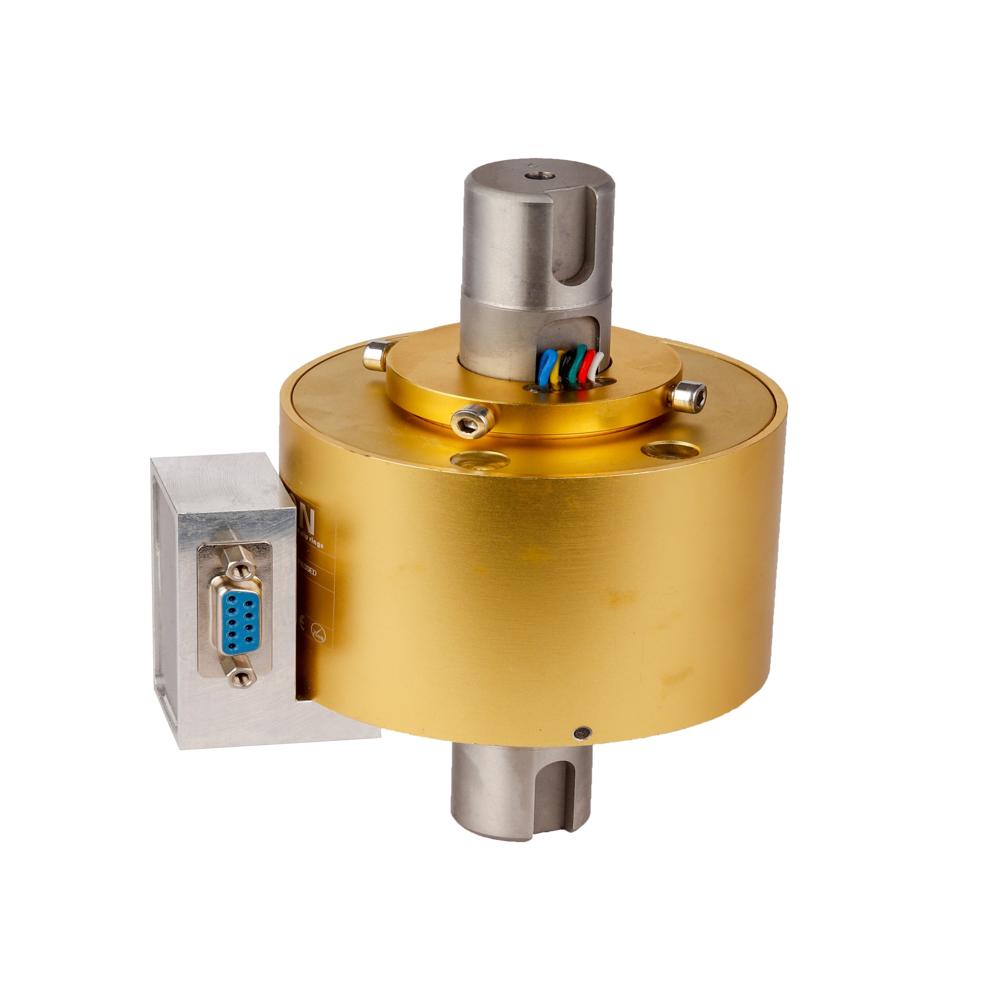
Ttd-Ss-Tt Dynamic Torque Cum Thrust Transducer
Price 50000.0 INR / Number
Minimum Order Quantity : 100
Operate Method : Measures torsional strain and axial thrust in rotating shafts. Electrical signals are transmitted through slip ring and brush mechanism during rotation.
Usage : Dynamic torque and axial thrust measurement in rotating machinery
Resistance : Input Resistance: 390 Ohms , Output Resistance: 350 Ohms
Storage Temperature : 10 C to 50 C Celsius (oC)
Reaction Shaft Torque Transducer
Price 11500.0 INR / Number
Minimum Order Quantity : 100
Operate Method : Measures torque (rotational force) and axial thrust force simultaneously during dynamic operation
Usage : Used for simultaneous measurement of torque and axial thrust in industrial testing systems.
Resistance : Input Resistance: 390 , Output Resistance: 350
Storage Temperature : 10 C to 50 C Celsius (oC)


- 917/1, G.I.D.C., Makarpura,Vadodara - 390010, Gujarat, India

- Phone : 08045479166
- Send Inquiry
 Send Inquiry
- Mr Jayanti R Vachhani (Director)
- Mobile : 08045479166

 |
ADI ARTECH TRANSDUCERS PVT. LTD.
All Rights Reserved.(Terms of Use) Developed and Managed by Infocom Network Private Limited. |
