



 +919727444682 08045479166
 Send Inquiry
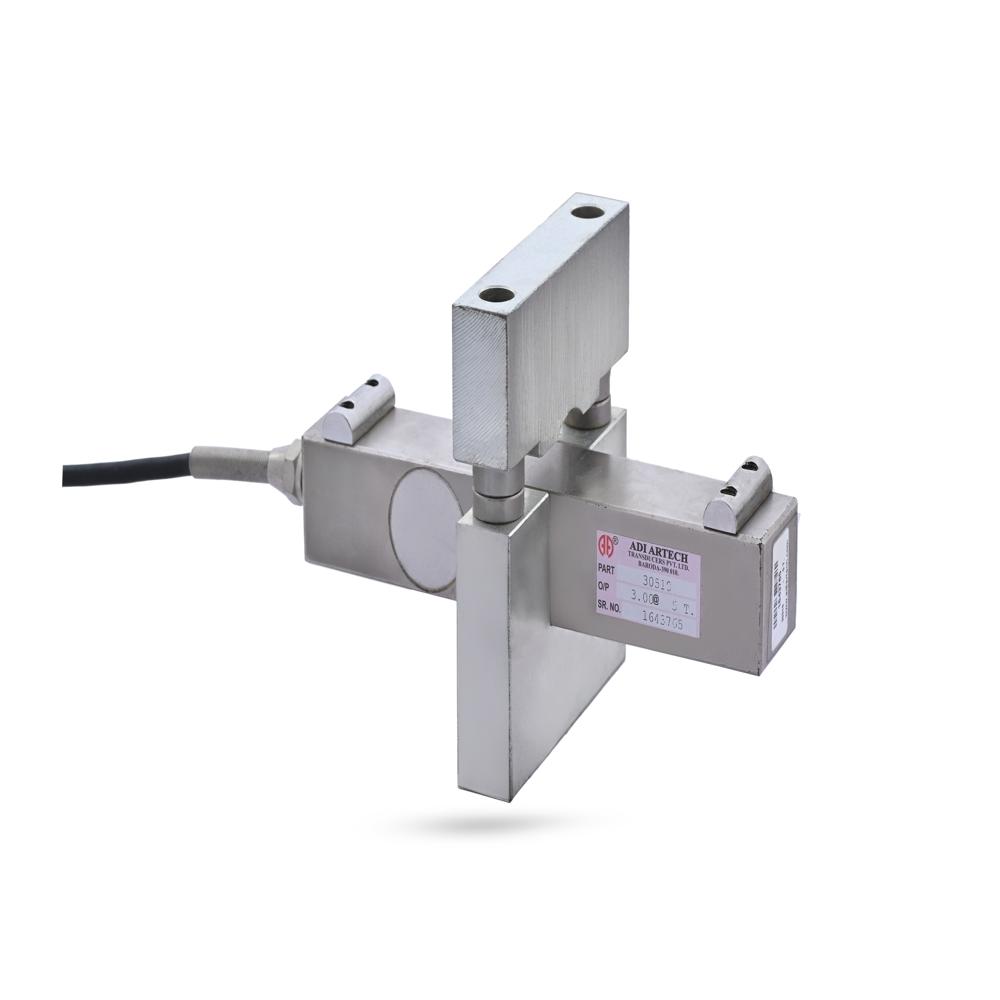
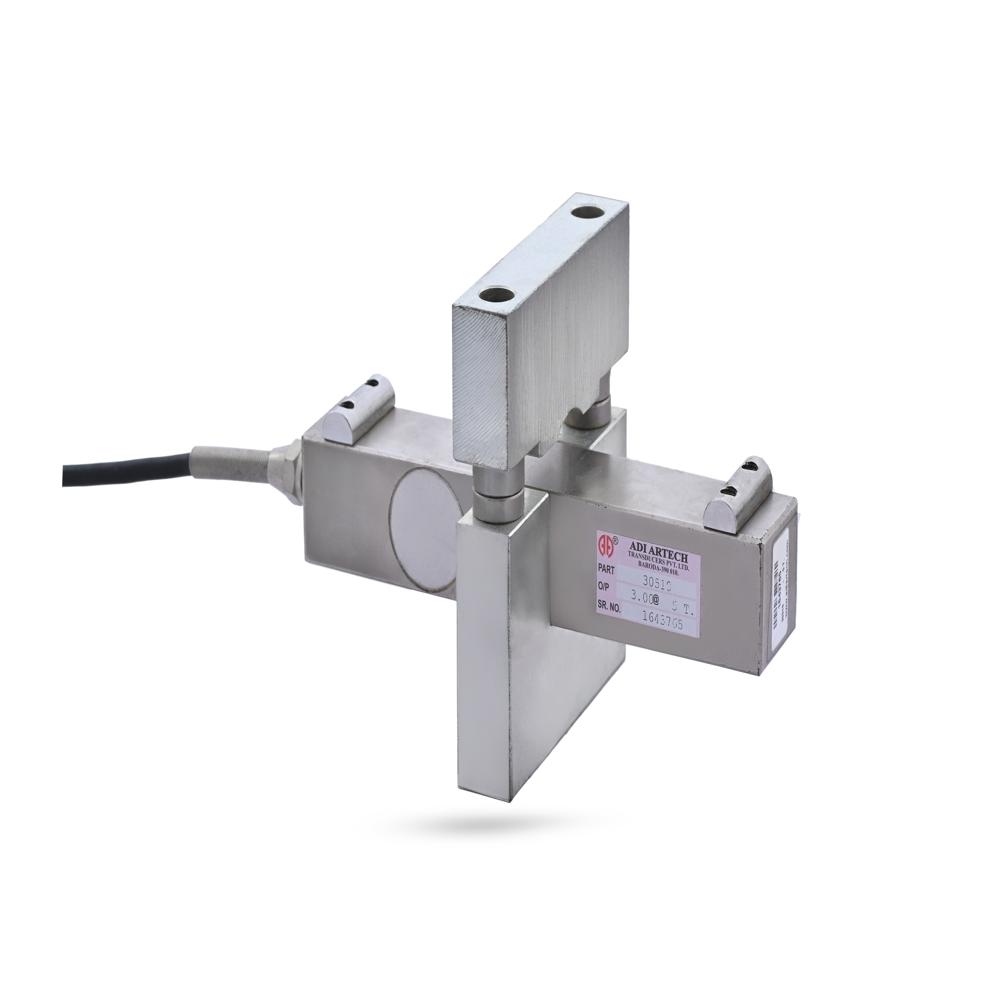
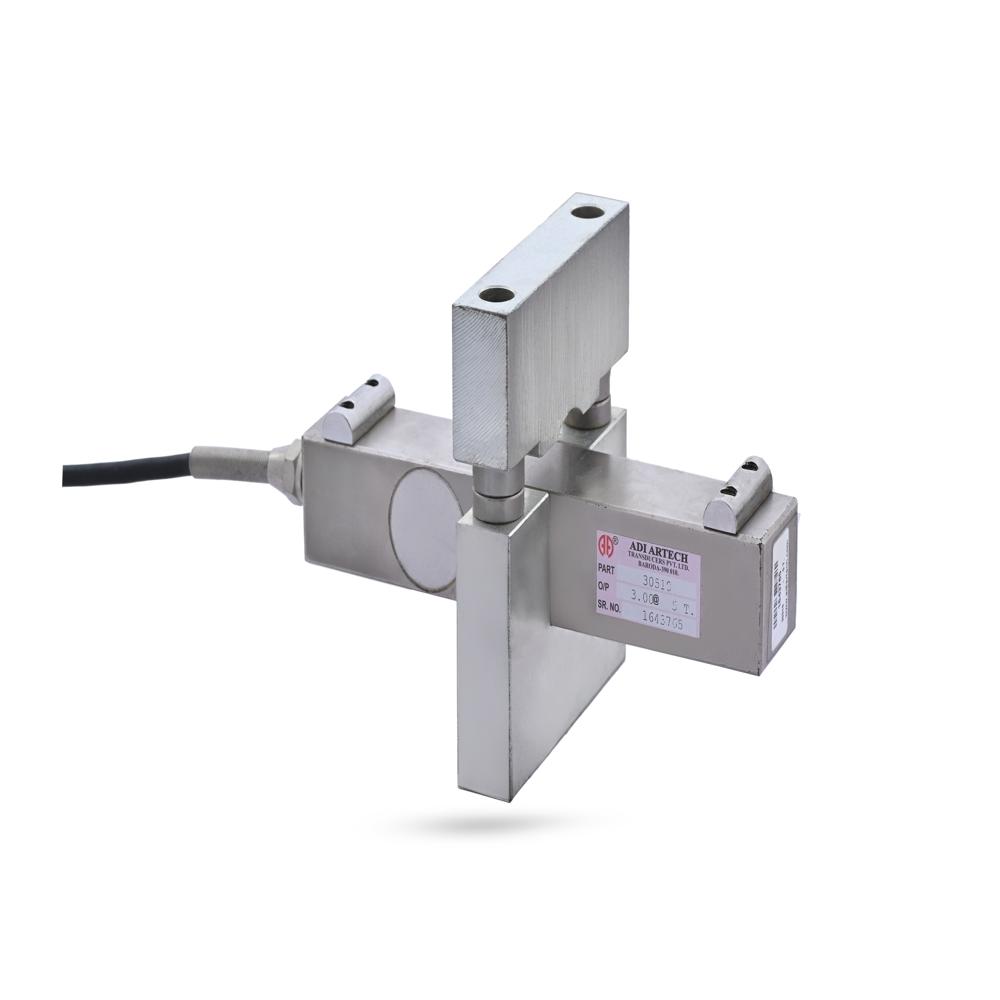
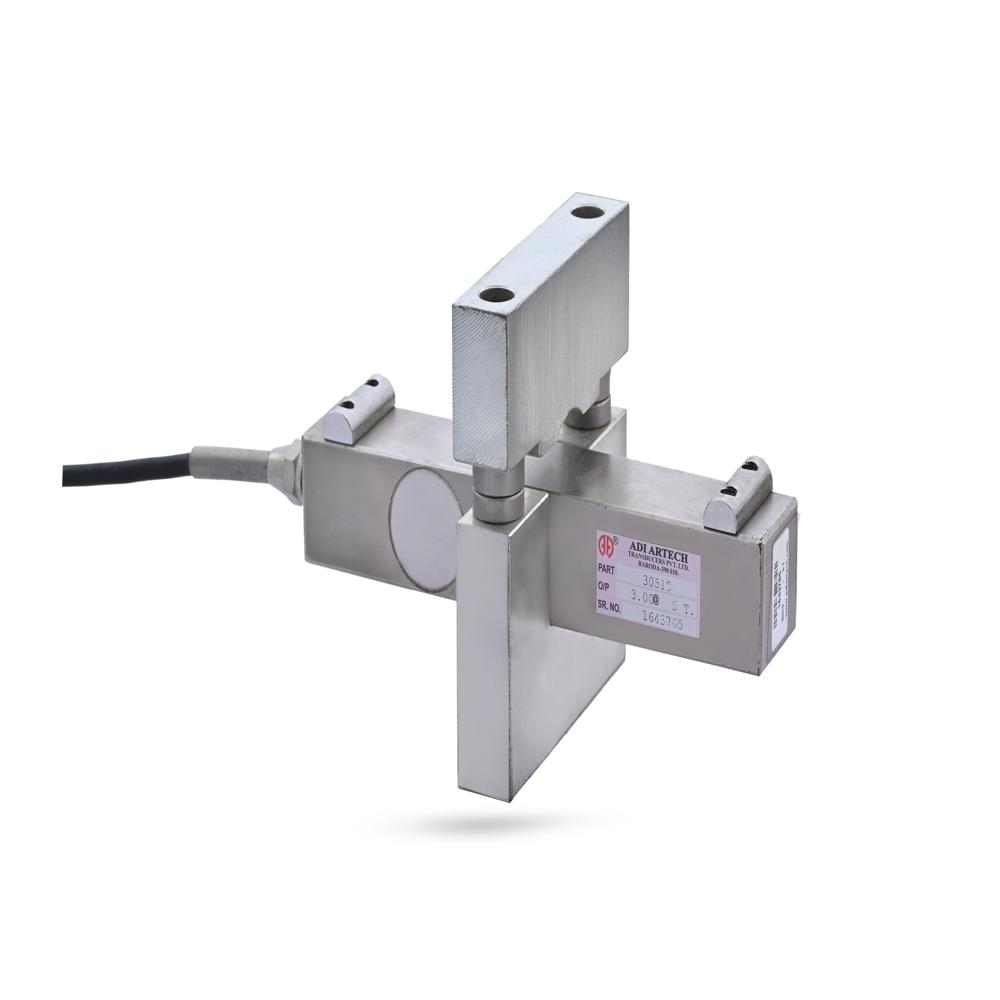
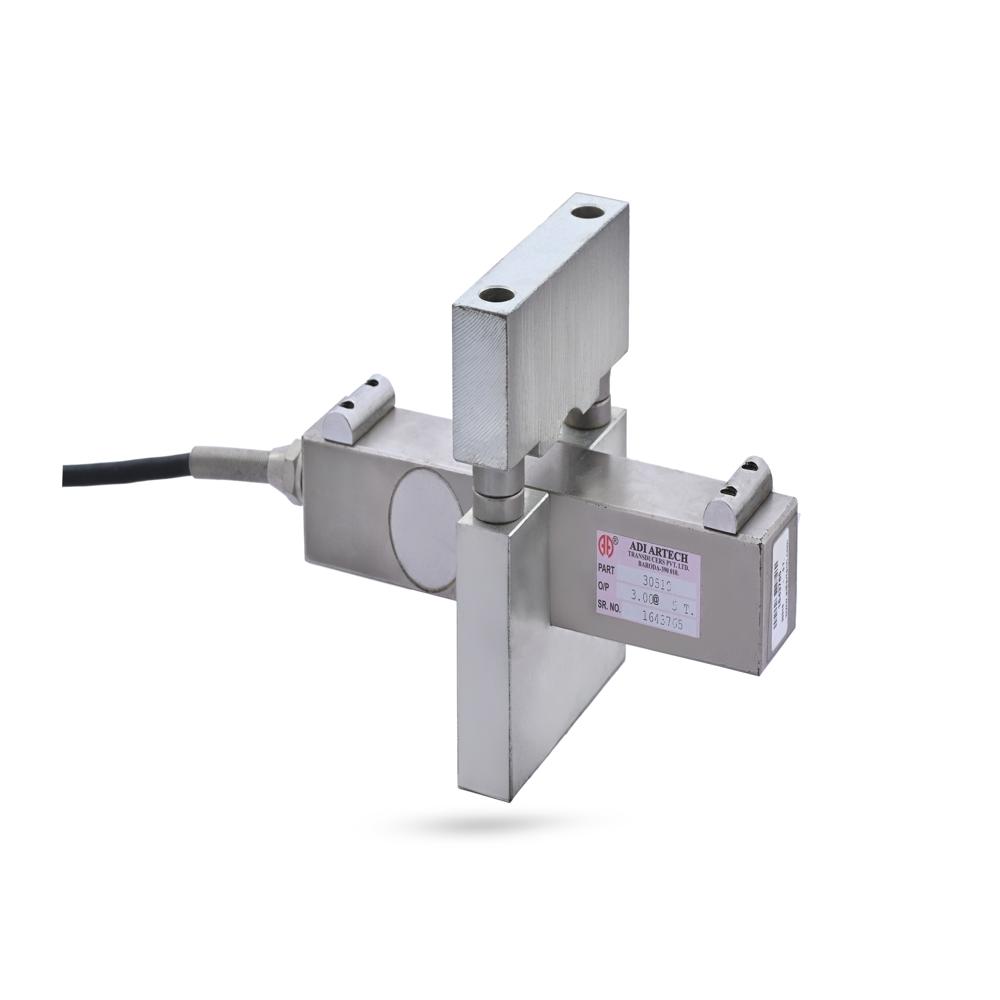
Rope Tension Shear Beam Load Cell
Price 15500.0 INR/ Number
Rope Tension Shear Beam Load Cell Specification
- Capacity
- 1 TF to 30 TF rope tension Ton
- Material
- Electroless Nickel Plated Tool Steel
- Resistance
- Input resistance: 390 20 , Output resistance: 350 10
- Operate Method
- Strain gauge sensing
- Voltage
- Max 15 VDC Volt (v)
- Power
- 10 VDC excitation Volt (v)
- Usage
- Monitoring tension in wire ropes, Preventing equipment overload in industrial systems
- Classification
- Environmental Protection Class IP65
- Product Type
- Rope Tension Load Cell
- Application
- Elevator load monitoring, Crane and hoist overload protection, Tension measurement in stay ropes and suspension ropes, Railway catenary rope tension measurement, Vehicle pull testing, Ship bollard pull testing
- Output
- Analog Sensor
- Theory
- Resistance Sensor
- Type
- STRAIN GAGE BASED SHEAR BEAM LOAD CELL
- Accuracy
- 5.0% FSO (up to 20% range), 2.0% FSO (above 20% range) %
- Operating Voltage
- 5-10 2.0% FSO (above 20% range) Volt (V)
- Output Voltage
- 1.0 mV/V 0.5 Volt (V)
- Compensated Temperature
- 10-50 Celsius (oC)
- Storage Temperature
- 0-60 Celsius (oC)
- Operating Temperature
- 0-50 Celsius (oC)
Rope Tension Shear Beam Load Cell Trade Information
- Minimum Order Quantity
- 100 Number
- FOB Port
- VADODARA
- Payment Terms
- Cash Advance (CA), Cash in Advance (CID), Cheque
- Supply Ability
- 10 Per Week
- Delivery Time
- 1 Week
- Sample Available
- No
- Main Export Market(s)
- Eastern Europe, Western Europe, Middle East, Africa, Asia, Australia
- Main Domestic Market
- All India
Rope Tension Shear Beam Load Cell About
30510-bending or Shear Beam load cell specially designed for rope tension measurements in elevators, cranes. It is ready to fit - clamp on type fitment - to the rope without disturbing the setup. Warois combination for load measuring instrument such as -Compatible Instruments withRelay output, 4-20 mA or 0-2 Volt Output
Digital Version with RS-485interface / USB output
Blue Tooth Telemetry / Wireless Telemetry
Software for Graphic,Tabulation, Reporting and Analysis.
Product details
|
Allowable Side Load |
50% |
|
Deflection |
< 0.4 mm at FSO |
|
Environmental Protection Class |
Meets IP 67/68 |
|
Finish & Construction |
Electro less Nickle plated Tool Steel |
|
Insulation Resistance (50 VDC) |
> 1000 Mega Ohms |
|
Material |
Stainless Steel / Tool Steel |
|
Nominal Output |
3.0 m V/ V +/- 0.5% |
|
Safe Overload of Rated Capacity |
150% |
|
Temp. Compensated Range |
0-60 Degree C |
|
Temperature Effect on Output |
< 0.0015% FSO/ 0C |
|
Temperature Effect on Zero |
< 0.0020% FSO/ 0C |
|
Ultimate Overload of Rated Capacity |
250% |
|
Insulation Resistance |
>1000 Mega Ohms |
|
Excitation Voltage |
10 VDC -15 VDC |
|
Shape |
Round |
|
Type |
Single Ended Share Beam |
Precision Measurement for Industrial Demands
Engineered for accurate rope tension monitoring, this steel shear beam load cell employs advanced strain gage technology for reliable performance. Its high output voltage and temperature compensation ensure dependable measurements across diverse conditions. Designed for versatility, it supports applications in industries where robust and accurate load sensing is essential.
Versatile and Durable Steel Construction
Constructed from tough steel, this load cell resists wear and fatigue during prolonged use. It withstands operational stresses and varied environments, making it suitable for Indian industrial, marine, and commercial contexts. Its design ensures a long service life and reliable performance, withstanding temperatures from 0 to 50C.
FAQs of ROPE TENSION SHEAR BEAM LOAD CELL:
Q: How do you install a Rope Tension Shear Beam Load Cell?
A: Installation involves securely mounting the steel load cell within the rope path, ensuring precise alignment for accurate tension readings. Follow manufacturer guidelines for electrical connections and maintain the operating environment within the recommended temperature range (050C).Q: What makes this load cell suitable for rope tension applications?
A: Its strain gage-based shear beam design provides accurate force measurements while the steel construction ensures durability. The 1mV/V output voltage and 1.0% accuracy make it ideal for monitoring and controlling rope tensions in industrial systems.Q: When should maintenance or calibration be performed on the load cell?
A: Regular calibration is recommended annually, or as specified in your quality management system, to maintain measurement accuracy. Maintenance may also be conducted if the load cell experiences physical impacts or abnormal conditions.Q: Where can this load cell be used in India?
A: This load cell is versatile and can be used across various settings in India, including factories, construction sites, marine environments, and other locations where accurate rope tension monitoring is essential.Q: What is the process for purchasing as a dealer or distributor in India?
A: Dealers and distributors can source this load cell directly from authorized manufacturers, suppliers, or exporters in India. Contact a reputable producer or trader to discuss requirements, pricing, and order fulfillment options.Q: How does the compensated temperature range benefit usage?
A: The compensated temperature range of 1050C ensures stable and accurate output, even with fluctuations within that temperature band, thereby preventing measurement errors due to environmental variation.Q: What advantages does the steel construction offer for Indian operating conditions?
A: Steel construction provides maximum durability and resistance to wear and environmental challenges, making this load cell especially suited for demanding Indian industrial environments.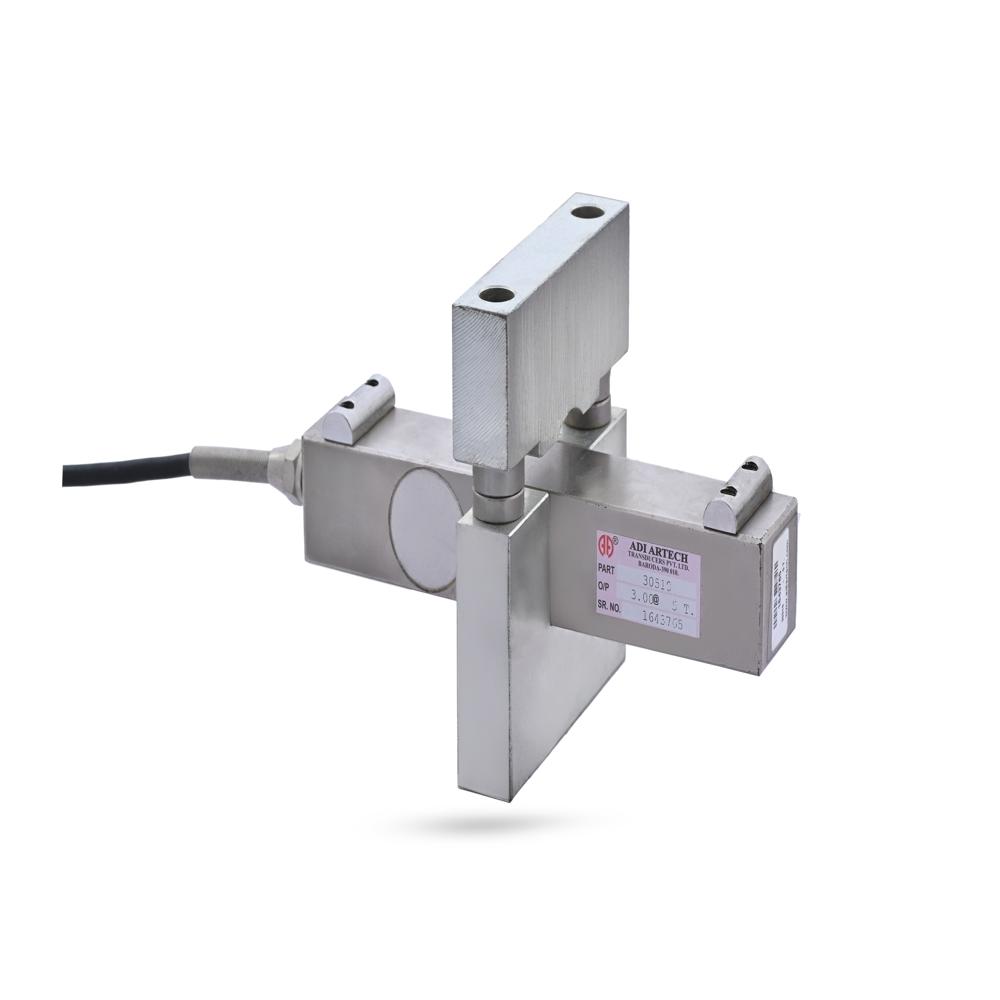

Price:
- 50
- 100
- 200
- 250
- 500
- 1000+

More Products in Crane Scale Load Cell Category
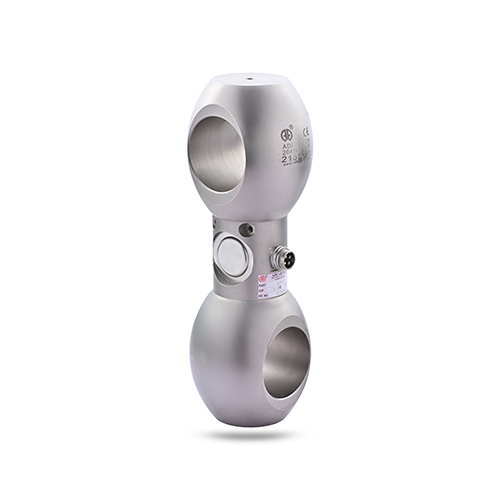
Crane Scale Load Cell
Price 12500.0 INR / Number
Minimum Order Quantity : 100
Output : Analog Sensor
Output Voltage : 1.0 mV/V Volt (V)
Usage : Crane weighing and inline tension force measurement
Classification : Strain gauge based load cell (Tension type only)
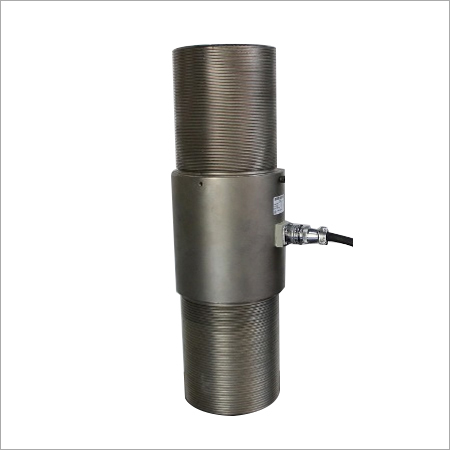
Tension Link with Male threadings
Price 12500.0 INR / Number
Minimum Order Quantity : 100
Output : Analog Sensor
Output Voltage : 2.0 mV/V Volt (V)
Usage : Inline force and tension measurement
Classification : Strain gauge based load cell (Tension & Compression)
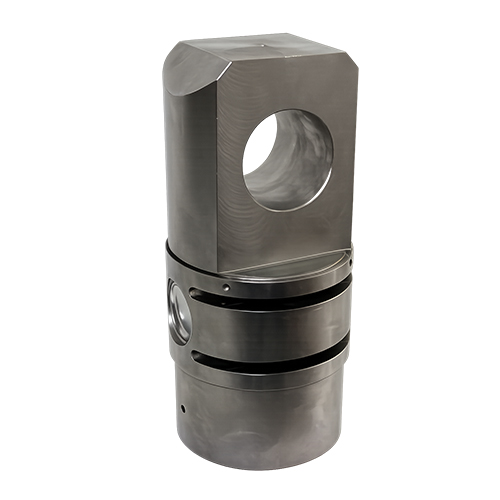
Crane Scale Weighing Load Cell
Price 12500.0 INR / Number
Minimum Order Quantity : 100
Output : Analog Sensor
Output Voltage : 1.0 mV/V Volt (V)
Usage : Tension force measurement and crane weighing
Classification : Tension Load Cell / Force Transducer
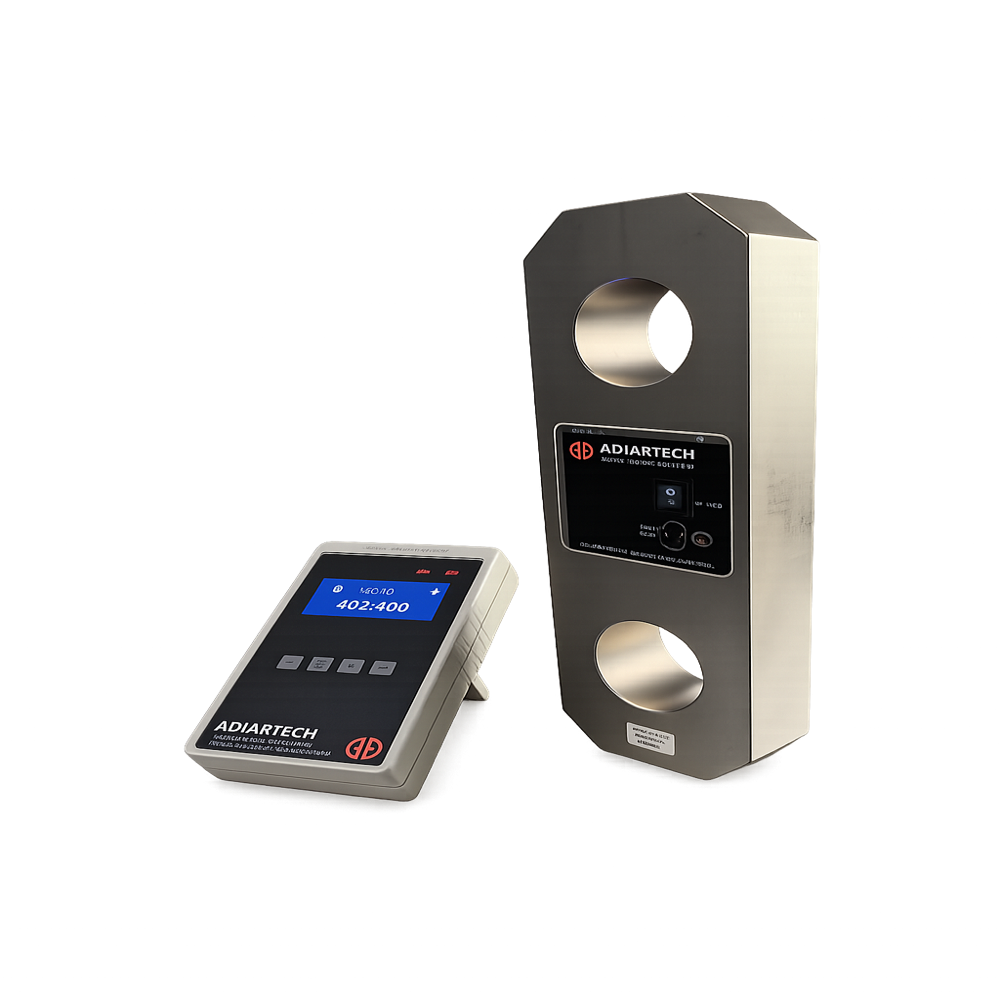
Flat Wireless Link Load Cell
Price 85000.0 INR / Number
Minimum Order Quantity : 100
Output : Analog Sensor
Output Voltage : 1.0 mV/V (Nominal, proportional to load) Volt (V)
Usage : Rope tension measurement, towing force measurement, crane weighing
Classification : Strain Gauge Based Wireless Tension Load Cell


- 917/1, G.I.D.C., Makarpura,Vadodara - 390010, Gujarat, India

- Phone : 08045479166
- Send Inquiry
 Send Inquiry
- Mr Jayanti R Vachhani (Director)
- Mobile : 08045479166

 |
ADI ARTECH TRANSDUCERS PVT. LTD.
All Rights Reserved.(Terms of Use) Developed and Managed by Infocom Network Private Limited. |
